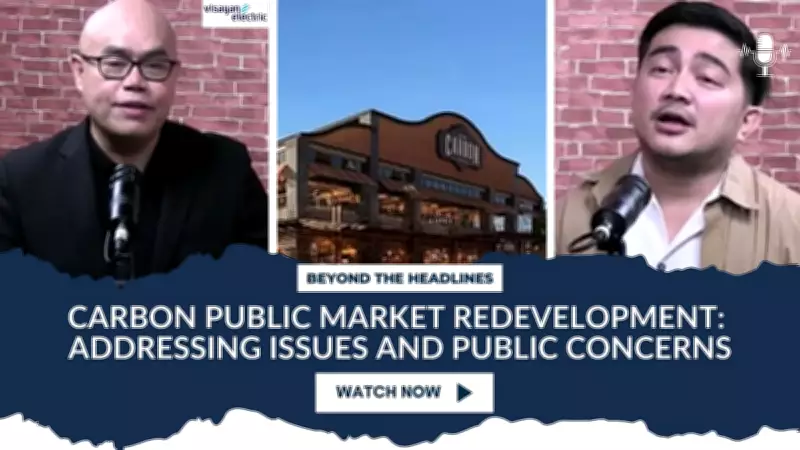
Cebu's Carbon Market Redevelopment: A Modern Transformation Amid Public Concerns
The historic Carbon Public Market in Cebu City is undergoing a significant redevelopment project aimed at modernizing its facilities and enhancing its economic potential. This initiative, led by local government authorities, seeks to transform the market into a more efficient and attractive hub for both vendors and shoppers. However, the project has sparked various public concerns that need careful attention to ensure a balanced approach to urban development.
Addressing Key Issues in the Redevelopment Process
One of the primary concerns raised by the public is the potential displacement of long-time vendors who have operated in the market for decades. Many fear that the redevelopment could lead to higher rental costs or loss of their stalls, threatening their livelihoods. To address this, officials have proposed measures such as providing temporary relocation sites and offering financial assistance during the transition period. Additionally, plans include incorporating affordable spaces for existing vendors in the new design to maintain the market's traditional character.
Traffic congestion is another major issue associated with the redevelopment. The construction phase is expected to cause disruptions in the surrounding areas, impacting daily commuters and local businesses. Authorities are working on traffic management strategies, including alternative routes and phased construction schedules, to minimize inconvenience. Improved infrastructure, such as wider roads and better parking facilities, is also part of the long-term plan to alleviate congestion once the project is complete.

Preserving Heritage While Embracing Modernity
The Carbon Public Market holds significant cultural and historical value for Cebu City, dating back to its early days as a trading post. Public concerns have been voiced about preserving this heritage amidst the modernization efforts. In response, the redevelopment plan includes elements that honor the market's history, such as retaining architectural features and creating spaces for cultural exhibits. This approach aims to blend the old with the new, ensuring that the market's identity is not lost in the transformation.
Environmental considerations are also at the forefront of the project. Concerns over waste management and sustainability have prompted the inclusion of eco-friendly practices in the redevelopment. Plans feature better waste disposal systems, energy-efficient lighting, and green spaces to reduce the environmental impact. Public consultations have been held to gather input on these aspects, emphasizing community involvement in the planning process.
Economic Benefits and Community Engagement
The redevelopment is expected to boost the local economy by attracting more tourists and investors to the area. Enhanced facilities, such as improved sanitation and security, are designed to create a safer and more pleasant shopping experience. This could lead to increased foot traffic and higher sales for vendors, contributing to overall economic growth in Cebu City.
To address public concerns effectively, ongoing dialogue between stakeholders is crucial. Regular meetings and feedback sessions have been established to keep the community informed and involved. By fostering transparency and collaboration, the project aims to build trust and ensure that the redevelopment meets the needs of all parties involved.
In summary, the Carbon Public Market redevelopment in Cebu City represents a complex balancing act between modernization and preservation. While it promises economic advancements and improved infrastructure, addressing public concerns over displacement, traffic, heritage, and environment is essential for its success. Through careful planning and community engagement, this project has the potential to revitalize a historic landmark while serving the interests of its people.