Thousands of vulnerable residents in Cebu City are set to benefit from free preventive health and mental wellness services following landmark legislation passed by the City Council. The measures, which await the signature of Mayor Nestor Archival, aim to shift the city's healthcare focus from treatment to early prevention and institutionalize support systems.
Free Annual Medical Checkup Program for Vulnerable Sectors
Authored by Councilor Michelle Abella-Cellona, the Free Annual Medical Check-Up Ordinance mandates the City Government to provide comprehensive health assessments once a year. The program specifically targets senior citizens, women, children, persons with disabilities (PWDs), members of the LGBTQIA+ community, and indigent residents.
The annual checkup includes a wide range of services:

- General physical examination and basic laboratory tests (Complete Blood Count, Urinalysis, Fecalysis).
- Blood pressure, body mass index, and age/gender-appropriate cancer screening.
- Mental health screening and counseling, plus reproductive health consultations.
- Access to birth control options like pills, IUDs, and implants.
- Specific tests such as Mammograms, Pap smears, HIV tests, and screening for PCOS.
- Referrals for further diagnostic tests if necessary.
The Cebu City Health Department (CCHD) will coordinate with barangay councils to set a schedule of checkup dates for each locality. Registration will be available both online and onsite at barangay halls, with services delivered through health centers, mobile clinics, and temporary hubs. A city-managed health database will track profiles and follow-ups, with high-risk patients referred to public hospitals.
Councilor Abella-Cellona grounded the ordinance in the 1987 Constitution and Republic Act 11223, the Universal Health Care Act. She highlighted that financial barriers often lead to late detection of illnesses among low-income residents. "Institutionalized prevention could reduce hospital admissions and lower long-term healthcare spending," she stated, noting it would ease the burden on city-funded aid like the Champ program.
An initial P50 million from the city's general fund is allocated for the first year, covering professional fees, medical equipment, test kits, medicines, and digital systems. The ordinance includes a penal clause for city offices or personnel who fail to implement it without just cause.
Establishing a Citywide Mental Health and Wellness System
The second measure, the Comprehensive Mental Health and Wellness Ordinance, creates a full framework for mental health services across Cebu City. Key components include a 24/7 mental health crisis hotline accessible by voice, text, and messaging apps, mental health education in schools, and designated "safe spaces" for at-risk groups.
The CCHD will establish a 24/7 Crisis Response Center offering emergency counseling, mobile response, and walk-in interventions. Each barangay will have a trained Mental Health First Aider.
Mental health will be integrated into school curricula from K to 12 and tertiary levels, covering life skills and coping strategies. All public and private schools must appoint a Mental Health Coordinator and create safe spaces. Regular training for school personnel is also mandated.
Dedicated programs will cater to specific groups: counseling for seniors; trauma recovery for women; peer support for youth; accessible services for PWDs; and gender-affirming care for the LGBTQIA+ community.
Abella-Cellona cited rising cases of anxiety, depression, and suicidal ideation among youth, and gaps in barangay-level response. This ordinance aligns with RA 11036, the Mental Health Act. Authorities who obstruct the law or discriminate against those seeking help face administrative sanctions.
Funding, Implementation, and Next Steps
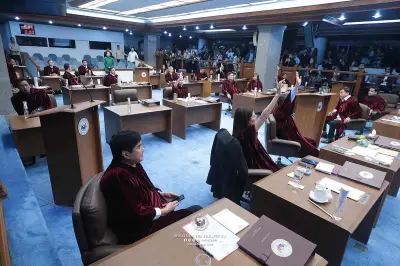
The success of these groundbreaking programs hinges on execution. Following the City Council's passage on December 22, 2025, the ordinances now await the signature of Mayor Nestor Archival to become active. The structured rollout involves close collaboration between the CCHD and all 80 barangays of the city.

Proponents argue that the upfront investment in prevention—starting with the P50 million allocation—will result in significant long-term savings for the city's health budget by reducing the need for costly emergency treatments and hospitalizations. The move is seen as a major step toward fulfilling the constitutional right to health for all Cebuanos, particularly the most marginalized.