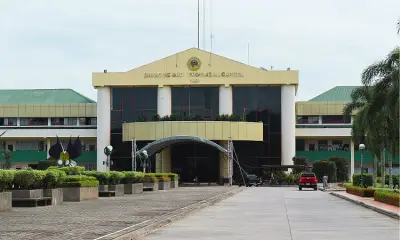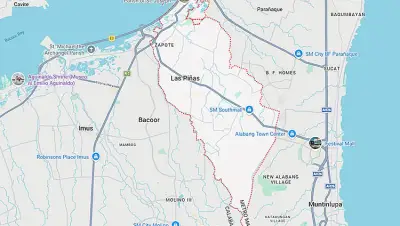
The Cebu City Council has enacted a sweeping prohibition against all forms of gambling advertisements within the city. This decisive action, formalized through a resolution approved on December 16, 2025, aims to shield residents from the harmful effects of pervasive betting promotions.
Why Cebu is Taking a Stand Against Gambling Ads
Spearheaded by City Councilor Joel Garganera, the ban is a direct response to growing concerns over public welfare. Garganera highlighted that the flood of gambling ads has been a key factor in increasing problem gambling and causing significant financial hardship for families. He expressed particular alarm over the easy access young people and other vulnerable groups have to this content through digital platforms. The councilor argued that constant advertising normalizes gambling behavior, making community protection efforts much harder.
The ban is comprehensive, covering traditional media like billboards, posters, LED screens, and printed materials, as well as sponsored events. Critically, it also extends into the digital world, prohibiting promotions on online platforms and social media.

Enforcement and Broader National Context
To ensure the ban is effective, the council has tasked the Business Process and Licensing Office (BPLO), Cebu City Police Office (CCPO), and the City Legal Office with monitoring, identifying, and removing illegal advertisements. In a related move during the session, Councilor Francis Esparis urged city hall employees to avoid using online gambling platforms during office hours.
This local policy mirrors a national shift towards stricter gambling regulation. In mid-2025, Pagcor ordered the removal of gambling billboards across the country. Following that, in August 2025, the Bangko Sentral ng Pilipinas (BSP) directed e-wallet providers to remove icons and links to gambling sites. Reports indicate this BSP action led to a 50 percent decrease in online gambling activity.
Economic and Social Stakes of the Gambling Boom
The resolution arrives amid warnings from economists about gambling's distorting effect on local economies. On October 10, economist Robert Dan Roces told the Cebu Province Economic Forum 3.0 that app-based betting is reshaping consumer spending. These platforms are pulling a growing portion of household budgets away from traditional brick-and-mortar businesses, especially in discretionary sectors like dining, apparel, and mall retail.
While online gambling makes up about five percent of national household spending (roughly P400 billion), its impact is disproportionately large in Central Visayas. The region accounts for an estimated 15 percent of national online gambling revenues, nearly double its share of the country's GDP. Analysts warn this shows digital betting is directly competing for the "consumer wallet," diverting funds that would otherwise support the local economy.
Religious institutions have added a moral dimension to the debate. The Catholic Bishops’ Conference of the Philippines (CBCP) has labeled the industry's rise a "public social health crisis" and called for united action from the government and media to implement stronger regulations and protect the youth from addiction.
Looking ahead, tougher national laws are in the pipeline. Senate Bill 109, or the Anti-Online Gambling Advertisement Act of 2025, has been endorsed. This bill seeks to ban ads on TV, radio, internet, print, and even sports sponsorships. If passed, it would impose penalties of up to six years in prison or fines of P5 million, with even harsher sanctions for public officials.