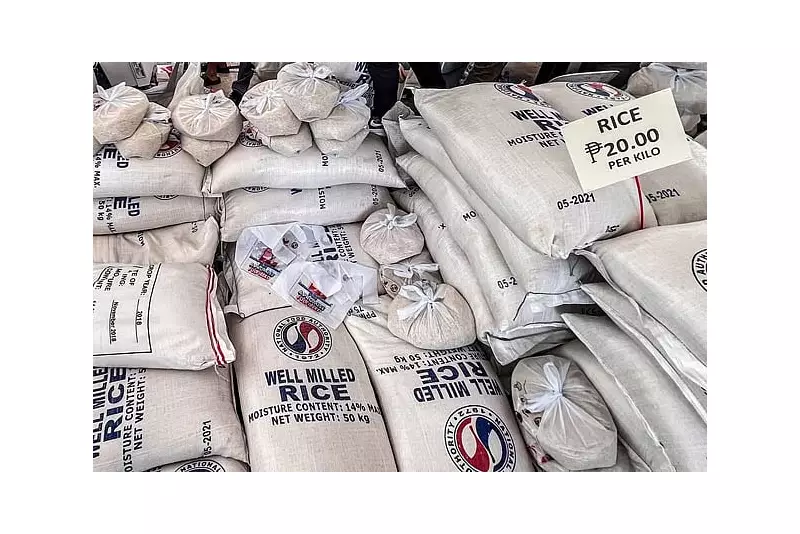
Cebu City is set to launch a pilot test of its highly anticipated affordable rice program before the close of 2025. Mayor Nestor Archival confirmed that the initial phase will involve the distribution of 10,000 sacks of rice at a subsidized price of P20 per kilogram to selected low-income communities.
Barangay-Led Distribution to Prevent Waste
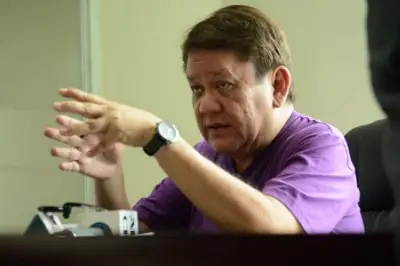
In an announcement made on Tuesday, December 16, Mayor Archival outlined a community-focused approach. To ensure the rice reaches the most vulnerable households, individual barangays will establish their own rules and manage beneficiary lists. "Barangays themselves will set the rules and manage who gets access," Archival stated, emphasizing their direct knowledge of community needs.
The Department of Social Welfare and Services (DSWS) will work with barangay captains to identify beneficiaries using population-based targeting, prioritizing the lowest-income families. The mayor also reassured senior citizens that they can continue to buy subsidized rice from Kadiwa outlets, including the one located in Barangay Tejero.

Government Subsidy and Financial Safeguards
The affordable rice is supplied by the Food Terminal Inc. (FTI). Under the agreement, FTI procures the rice at around P33 per kilo but will sell it for P20. The P13 price difference per kilogram is jointly shouldered by the national and local governments.
This rollout follows an amended memorandum of agreement (MOA) that classifies the rice as consigned goods. City Attorney Briccio Joseph Boholst explained that this means the city will only pay FTI for the rice after it is sold, protecting public funds. The proceeds are treated as audited trust funds.
Learning from Past Challenges for a Sustainable Program
Mayor Archival stressed the implementation of safeguards to avoid spoilage, a problem recently encountered in neighboring Mandaue City. The plan includes promptly reallocating unsold rice to areas with higher demand to prevent waste.
The pilot with 10,000 sacks is designed to test and refine the distribution system. Archival expressed optimism that this initial phase will serve as a blueprint for a larger, city-wide implementation in 2026.
Residents are encouraged to coordinate directly with their barangay offices for specific distribution schedules and eligibility requirements.