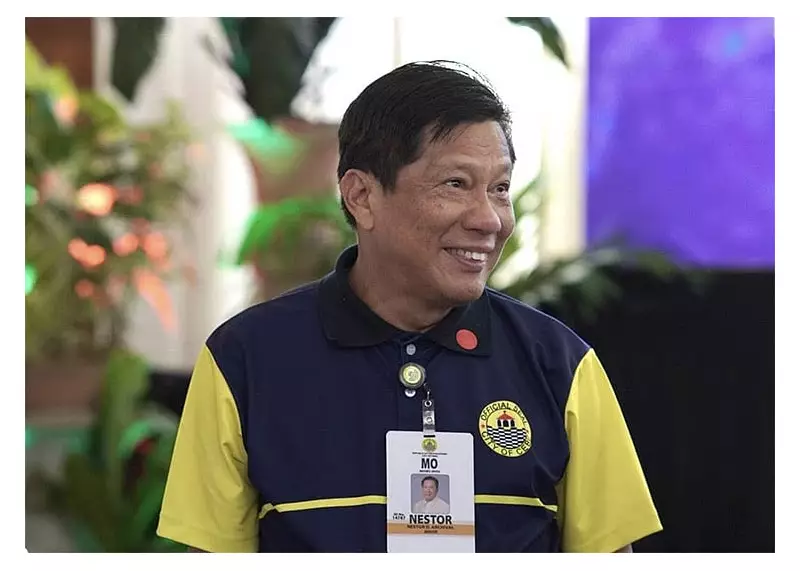
Cebu City is set to implement a stringent new solid waste management policy at the start of the new year, with Mayor Nestor Archival leading the charge for stricter enforcement. The "No Segregation, No Collection" rule will take effect in January 2026, fundamentally changing how households dispose of their trash.
Strict Rules and Penalties for Waste Management
Under the new directive, garbage trucks will refuse to collect waste from homes that fail to properly separate their biodegradable and non-biodegradable materials. Mayor Archival emphasized that violators will be fined, a move aimed at significantly reducing the volume of trash that clogs the city's drainage canals. The policy is not new in concept but will see rigorous and sincere implementation under the current administration for the welfare of Cebu City residents, locally known as Sugboanons.
From Trash to Treasure: Eco-Bricks and Composting
The city's plan goes beyond mere collection. A core component involves transforming waste into useful resources. Biodegradable waste will be turned into compost or abono (fertilizer). Meanwhile, non-recyclable plastics will find a new purpose as "eco-bricks"—compacted plastic bottles stuffed with other plastic waste—which can be used as building materials for community projects.

Comprehensive Flood Mitigation Strategy
Recognizing the critical link between waste management and flooding, the city is launching a multi-pronged approach to flood prevention. Starting February 2026, the city will establish rainwater catchment systems in every barangay gymnasium to prevent stormwater from overwhelming streets.
Additional measures include:
- Placing plastic strips across rivers to trap floating debris.
- Conducting regular canal clean-ups.
- Partnering with the Cebu Drone Society to inspect rivers and identify problem areas from the air.
The administration is also studying a proposal from Councilor Joel Garganera to temporarily halt development projects in areas identified as flood-prone.
Long-Term Environmental and Community Plans
With the city's forest cover dwindling, Mayor Archival's plan includes a large-scale bamboo planting initiative. Bamboo is chosen for its ability to prevent soil erosion and absorb large quantities of water, helping to mitigate landslide risks and improve groundwater retention.
Further community-based initiatives are on the table, including promoting community food gardening. This approach aims to address both environmental concerns and food security, helping families become more resilient. The mayor also acknowledged the need to improve mass transportation systems to reduce the twin problems of traffic congestion and air pollution in the metropolitan area.