In the bustling holiday season of schedules and speeches, a distinct and quieter form of leadership is unfolding in Cebu. Provincial Governor Pamela Baricuatro is making her presence felt not just through official functions, but through personal, ground-level engagement with both her workforce and the community.
A Leader Walks the Halls: Personal Visits to Capitol Offices
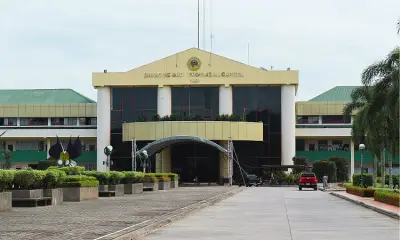
Instead of remaining in her office, Governor Baricuatro has taken time to move from department to department within the Cebu Provincial Capitol. Her purpose is to personally join the Christmas celebrations of each office, greeting employees, engaging in conversations, and participating in their activities. This simple act of showing up and being present sends a powerful message to the provincial workforce.
After facing numerous challenges like economic strain, environmental pressures, and natural disasters such as typhoons and earthquakes, what public servants often need is recognition, not just another directive. By visiting them directly, the governor acknowledges their daily, often unseen, efforts to keep the province running.

Joining the Community in Faith and Tradition
Beyond the government halls, Governor Baricuatro's approach extends into the heart of Cebuano culture. She has been participating in Misa de Gallo, the traditional dawn masses, in various churches and parishes across the province. This gesture is neither ceremonial nor obligatory. It is a quiet, meaningful act of sharing in a deeply embedded tradition with the communities she serves.
From a governance perspective, such participation aligns with the governor's mandate to understand local conditions. While not legally required, joining these religious and communal traditions offers a concrete way to grasp the lived realities of Cebuanos, building a foundation of trust that policies alone cannot create.
Why This Style of Leadership Matters for Cebu
Cebu continues to shoulder significant burdens. Communities grapple with environmental risks, workers face a high cost of living, and public servants are stretched thin. These challenges persist even during the holidays.
In this context, leadership that takes time to acknowledge effort and share in tradition becomes essential. It reinforces the standards of prompt and respectful service. When leaders visibly value frontline workers—from clerks and administrative staff to security personnel—it fosters motivation and a renewed sense of purpose.
This form of leadership also resonates with deeply Filipino values, particularly pakikipagkapwa or shared humanity. It reflects an expectation for leaders to stand among the people, not apart from them. Authority gains greater legitimacy when it is tempered with genuine compassion and presence.
By choosing to be attentively present—in government offices at the Capitol and in parish churches at dawn—Governor Pamela Baricuatro is modeling a grounded, human-centric form of leadership. It is a reminder that true public service is sustained not only by laws and policies but by the daily, dignified connections between leaders and the people they serve.