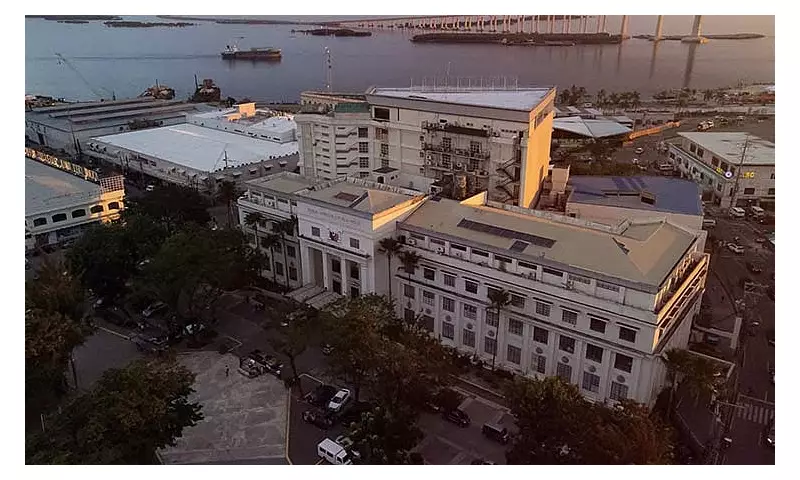
Cebu City's ambitious plan to extend government services into the night through a "Mayor of the Night" program is encountering significant operational challenges. While several national agencies have expressed openness to the concept, they have stopped short of committing to deploy their personnel for night-time duties.
Agencies Receptive But Non-Committal
This critical hurdle was revealed during an executive session held on December 16, 2025, which aimed to clarify the program's scope and feasibility. City Councilor Pastor Jun Alcover, a consistent questioner of the initiative, stated that representatives from key agencies like the Social Security System (SSS), Pag-IBIG Fund, Department of Labor and Employment (DOLE), National Bureau of Investigation (NBI), and Land Transportation Office (LTO) were generally receptive.
However, Alcover highlighted a major sticking point. "If you look at the statement of Mayor Archival, he said that key government agencies are encouraged to participate. But it takes two to tango," he remarked during a press conference on Friday, December 19. The agency representatives explained that assigning personnel to night offices would require formal approval from their respective national or central offices, as such assignments must be authorized by law.

Coordination and Authority Concerns Raised
Councilor Alcover emphasized that implementation would be extremely difficult without formal coordination and agreements. He pointed out that Mayor Archival was supposed to secure authority from the City Council to sign memoranda of agreement (MOAs) with the national agencies but had not done so. Without this proper authorization, Alcover questioned how the program could move forward effectively.
"That was when it became clear that the proposal was vague and had no clear direction," Alcover said, summarizing the executive session's discussions. He also raised practical concerns about the additional burden the program would place on city officials, particularly the vice mayor, who would be expected to oversee night operations on top of their regular duties.
Questioning the Need and Proposing an Alternative
Alcover further challenged the core need for the program, especially for its stated primary beneficiaries: Business Process Outsourcing (BPO) employees working night shifts in areas like Cebu IT Park. He cited feedback from at least one BPO company indicating that most employees complete mandatory government requirements before they are hired.
"For most BPO employees, prerequisites are already completed before they start working, so there's really no need," Alcover stated. As a more practical and cost-effective alternative, he proposed simply declaring Cebu City Hall as operating 24/7 to provide services at night.
Despite his strong reservations, Alcover noted that he was informed the proposal would likely be passed, with the executive session serving mainly to gather inputs. He clarified that he is not opposed to extending public service hours but would only support an initiative limited to round-the-clock City Hall operations, backed by proper authority and coordination with national agencies.