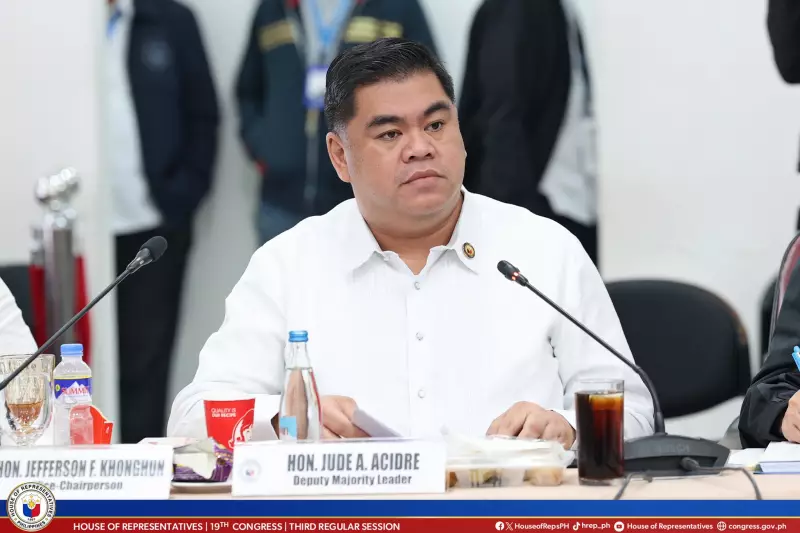
In a significant development, House Committee on Higher and Technical Education Chair Jude Acidre of the TINGOG Party-list has publicly declared his support for President Ferdinand Marcos Jr. This endorsement comes in response to the President's recent statement that the work of the Independent Commission for Infrastructure (ICI) is nearing completion. Acidre's remarks highlight a firm stance on governance and accountability within the Philippine political landscape.
Evidence-Based Assessment by ICI
Acidre emphasized that the ICI's evaluations and assessments are grounded in completed reviews and verifiable records, rather than mere speculation or unsubstantiated numbers. He clarified that this approach does not preclude further action if new evidence emerges, ensuring a thorough and ongoing process. By addressing allegations that the administration might be avoiding the truth, Acidre insisted that accountability must always be based on solid evidence, reinforcing the importance of transparency in public service.
Call for Constitutional Mandate Fulfillment
Stressing the need for proper legal procedures, Acidre pointed out that the appropriate step forward is to allow the Office of the Ombudsman and the Department of Justice to carry out their constitutional mandates. He expressed confidence in Ombudsman Jesus Crispin Remulla's efforts in the fight against corruption, underscoring the role of these institutions in upholding justice and integrity. This call to action aims to ensure that any follow-up measures are handled through established legal channels, promoting stability and trust in government processes.

Implications for Governance and Public Trust
Acidre's statements carry weight in the context of ongoing political discussions, particularly regarding infrastructure projects and anti-corruption initiatives. By aligning with President Marcos Jr. and advocating for evidence-based accountability, he contributes to a narrative of responsible leadership. This development may influence public perception and policy directions, as it underscores a commitment to due process and institutional roles in addressing national issues.