Davao City Government Announces ₱5,000 Fuel Subsidy for Registered Tricycle Operators
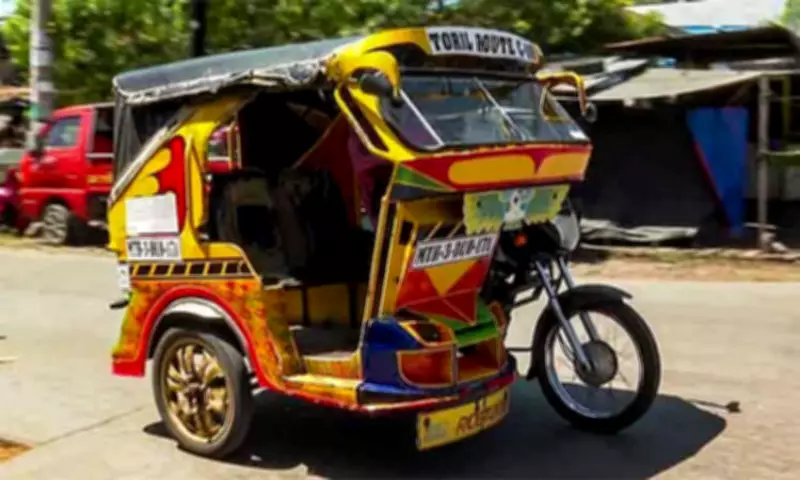
The Davao City Transport and Traffic Management Office (CTTMO) has issued a call to all holders of valid Motorized Tricycle Operators Permits (MTOP) or franchises to report to its office to avail of a new fuel subsidy program. This initiative, funded entirely by the city government, aims to provide financial relief to tricycle-for-hire operators grappling with escalating fuel prices.
Subsidy Details and Eligibility Requirements
Councilor Atty. Luna Acosta confirmed that the subsidy will distribute ₱5,000 to each qualified beneficiary. The program is a collaborative effort between the CTTMO and the Department of Social Welfare and Development (DSWD). To qualify, applicants must possess a valid permit and driver's license and must apply in person at the CTTMO office. Acosta emphasized that the assistance is primarily targeted at registered operators who hold Motorized Tricycle for Hire (MTH) franchises, as these documents verify actual operation. However, final verification with the CTTMO is still ongoing to ensure accuracy.
Consultations and Implementation Timeline
Prior to the rollout, consultations were conducted with Tricycle Operators and Drivers Associations (TODA) presidents from the first, second, and third districts of Davao City. Acosta highlighted the pressing issue of high gasoline costs, noting that fares have remained stagnant at ₱10, which continues to burden drivers. Based on initial data, approximately 500 operator-drivers are registered, although validation is still in progress. The list of beneficiaries is expected to be finalized soon, potentially by next week, following a temporary pause during the Holy Week.

Focus on Legitimate Operators and Future Plans
Acosta clarified that the subsidy prioritizes legitimate operators who comply with regulations, as their licenses are issued by the CTTMO rather than the national Land Transportation Office, making them ineligible for previous national assistance programs. Concerns about unregistered or "colorum" drivers were addressed, with Acosta stating that while priority is given to compliant operators, the city is exploring possible aid for others. She stressed the importance of careful preparation to ensure effective distribution.
Looking ahead, Acosta emphasized the need for long-term solutions to address fuel-related challenges and enhance mass transport in Davao City. She advocated for an energy preparedness plan, encouraging residents to conserve energy at home, and called for the development of crisis and long-term strategies with support from the national government. "This is our way of supporting a sector that keeps the economy moving," Acosta said, underscoring the critical role of drivers in transporting the workforce and sustaining economic activity.