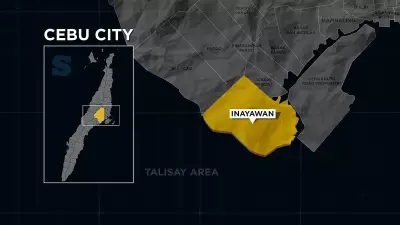
The recent complaints against two Sangguniang Kabataan (SK) councils in Cebu City are not merely local disputes but reflect deeper systemic problems in youth governance nationwide. Allegations against the SK in Barangays Labangon and Duljo-Fatima reinforce calls for reform, particularly in accountability, financial transparency, and compliance with legal obligations.
Background of the SK
The SK was established under Republic Act 10742, or the Sangguniang Kabataan Reform Act of 2015, intended to serve as a training ground for youth leadership. However, when its own officials are accused of poor management, lack of clear fund reporting, and neglect of basic responsibilities such as Katipunan ng Kabataan (KK) Assemblies, it indicates that the system requires urgent attention.
Specific Allegations
Allegations against the SK leadership in Labangon include failure to submit liquidation reports and frequent absences from sessions. These issues are not just technical violations but erode public trust. SK funds are public funds, and every centavo must be accounted for transparently. If young leaders fail to demonstrate integrity early in their service, what can be expected of them in larger roles in the future?

Lack of Programs
Moreover, the lack of concrete and substantial programs for the youth means the SK has failed its fundamental mission—to represent and advance youth interests. The absence of a clear Annual Barangay Youth Investment Program (ABYIP) is a clear indication of a lack of direction and planning.
Broader Responsibility
However, individual officials should not bear all the blame. The lack of strict oversight and continuous training for SK officials is also a major factor. The city council's efforts to mandate governance training and strict monitoring are steps that deserve support. Leadership is not just natural talent—it requires proper education, guidance, and discipline.
Conclusion
Overall, the events in Labangon and Duljo-Fatima serve as a warning that SK reform can no longer be delayed. Stronger audit mechanisms, clearer accountability systems, and more active youth participation in holding their leaders accountable are needed. If the foundation of youth leadership is weak, the future of national governance will also be weakened.