The political landscape in the Philippine Congress has crystallized into a clear divide. Two major factions—the Duterte bloc and the so-called Pinklawan bloc—both claim to serve the Filipino people. However, a close examination of their legislative actions, stated priorities, and public statements reveals they are moving in starkly different directions. This contrast has become more pronounced in recent times, raising a fundamental question for voters.
Two Blocs, Two Different Agendas
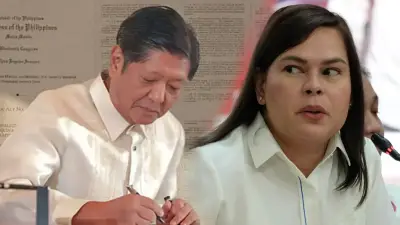
On one side, the Duterte bloc demonstrates strong unity, particularly when the interests of the Duterte family or their closest allies are at stake. Their members are consistently vocal and forceful in defending Vice President Sara Duterte, Davao leaders like Mayor Baste Duterte, and former President Rodrigo Duterte. While cohesive, this unity does not always translate into crafting laws that directly benefit the ordinary Filipino citizen. Their legislative focus appears centered on protecting a specific political family and its network.
In contrast, the Pinklawan bloc operates on a different set of principles. Despite its own imperfections and shortcomings, this group of senators and representatives generally focuses on strengthening institutions rather than personalities. Their public discourse frequently centers on transparency, checks and balances, and robust public accountability.

Legislative Actions Speak Louder Than Words
The practical difference between the blocs is evident in their legislative work. Members associated with the Pinklawan bloc are often the ones pushing for resolutions to investigate corruption, questioning the use of government funds, and defending the independence of oversight bodies. Their proposed laws and measures typically aim for social protection, good governance, and the defense of democratic principles, even when such stances are not politically popular.
Meanwhile, the Duterte bloc's legislative vigor is most visible when the political fortunes of its core figures are involved. This creates a perception that their primary mission is the endurance and defense of a political dynasty, rather than a broad-based agenda for national development.
The Core Question for Voters
The distinction of the Pinklawan bloc lies not in moral superiority, but in its declared direction and institutional focus. Its political project does not rely on safeguarding a single family's name. Consequently, its public statements and proposed policies are more frequently aimed at the general welfare of the citizenry.
As the political theater unfolds in the Senate and the House of Representatives, the ultimate question for Filipino voters remains simple yet critically important: Which bloc is making laws for the future of the Philippines, and which is making laws for the longevity of a political clan? The answer will define the nation's democratic trajectory for years to come.