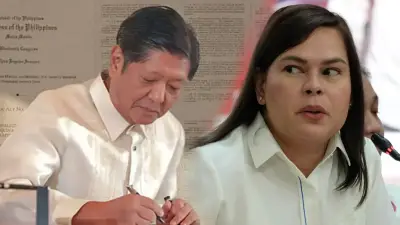
In Philippine politics, a familiar scene is playing out once more. The powerful UniTeam alliance, a coalition built between the Marcos and Duterte political families, is showing visible signs of strain. Political observer Herman M. Lagon, who has been predicting this development since 2022, sums up the public's reaction with a simple, cynical phrase: "Popcorn, please."
The Inevitable Crack in the Coalition
The UniTeam promised unprecedented unity and strength when it formed. However, from its very inception, the partnership carried the seeds of rivalry. A Marcos and a Duterte sharing a stage made for a compelling campaign image, but most Filipinos understood that each family had its own long-term ambitions, particularly for the 2028 national elections. Governing a nation requires more than powerful slogans and photo opportunities, and the pressures of leadership have begun to expose the alliance's fragile foundations.
This is not a new story in the country's political history. Similar coalitions have fractured before. Cory Aquino's broad coalition eventually splintered. Joseph Estrada saw his allies desert him. Gloria Macapagal-Arroyo maintained power through relentless political deal-making. The UniTeam appears to be following a well-worn path where convenience eventually gives way to competing interests.

From Political Theater to Public Cynicism
The "popcorn moments"—public spats and dramatic hearings—started early. By 2023, inquiries into confidential funds had become national political theater, with social media feeds filling up with popcorn emojis as if watching a dramatic teleserye. For ordinary citizens, however, the spectacle was far from entertaining. Teachers dipping into their own pockets for classroom supplies and parents waiting for basic school furniture found little humor in the political drama.
The noise only grew louder by 2025. A series of high-profile issues dominated the headlines:
- Investigations into billion-peso public works projects.
- Renewed debates on political dynasties.
- Maneuvers related to the International Criminal Court (ICC).
- Leadership conflicts within the legislature.
- Ongoing budget controversies.
- Unresolved cases linked to the past administration's drug war.
- Controversies surrounding Philippine Offshore Gaming Operators (POGOs).
- Delicate geopolitical balancing acts.
As approval ratings dipped, personal ambitions surfaced more openly. The Vice President's camp began floating her potential 2028 presidential run, causing allies to scramble and protect their own political turf. The tension became so obvious that even students noticed, asking teachers why allies were fighting if they were supposedly on the same team.
The High Cost of Political Spectacle
A pivotal moment came when the Supreme Court dismissed an impeachment complaint against the Vice President. While legally sound, the decision ignited political fires, shattering the UniTeam's united public facade. The ensuing exchange of public barbs felt more like a heated sports rivalry than a governing partnership. In barangay halls and neighborhood canteens, the refrain "Popcorn, please" echoed once again, highlighting that unpredictability is perhaps the most predictable feature of Philippine politics.
Beyond the theater, these public disputes have real consequences. Lagon points to the PISA 2022 results, which showed Filipino students lagging in trust in institutions. When young people see political alliances devolve into public circus acts, they learn cynicism. They risk growing up viewing politics as entertainment rather than a vital form of public service. The popcorn metaphor, therefore, is as disturbing as it is amusing—it reflects a national habit of passive spectating instead of active civic participation.
The tangible costs are measured in classrooms without chairs, clinics without medicine, and communities waiting for promised development. Every peso lost to political squabbling is a resource diverted from public need.

From Spectators to Active Citizens
Humor has long been a Filipino shield against hardship, from jeepney drivers bantering in traffic to teachers joking about delayed salaries. "Popcorn, please" is both a critique of the political class and a shared wink among citizens who see through the performance. The danger lies in permanently staying in the bleachers. Democracy requires more than an audience; it needs engaged participants.
The path forward demands a shift from spectatorship to accountability. Imagine if the energy spent on sharing political memes was directed toward tracking legislative votes on education budgets. What if community study circles diligently compared government promises with actual project delivery? Popcorn feeds amusement, but only sustained civic engagement can feed the nation's need for good governance.
International examples, like the frequent government turnovers in Italy and Israel, show what happens when coalitions are driven purely by self-interest and survival. The UniTeam risks becoming a similar cautionary tale—remembered not as a transformative powerhouse but as a fleeting alliance that unraveled under the weight of its own contradictions.
As the country moves closer to 2028, voters face a critical choice: to buy another ticket for the same familiar political show or to demand an entirely new script. Political alliances will inevitably rise and fall. The enduring question for the Filipino public is whether they will remain seated with snacks in hand or step forward to demand a better ending for the nation's story.