Barangay health workers (BHWs) serve as the vital link between the health system and the community, engaging with families, monitoring health conditions, and guiding individuals to access health services. Their efforts enable quicker identification and prompt addressing of health concerns.
“They embody community spirit and form the literal backbone of the journey towards Universal Health Care,” said Ms. Jinky M. Espino, DOH Davao BHW Program Regional Coordinator.
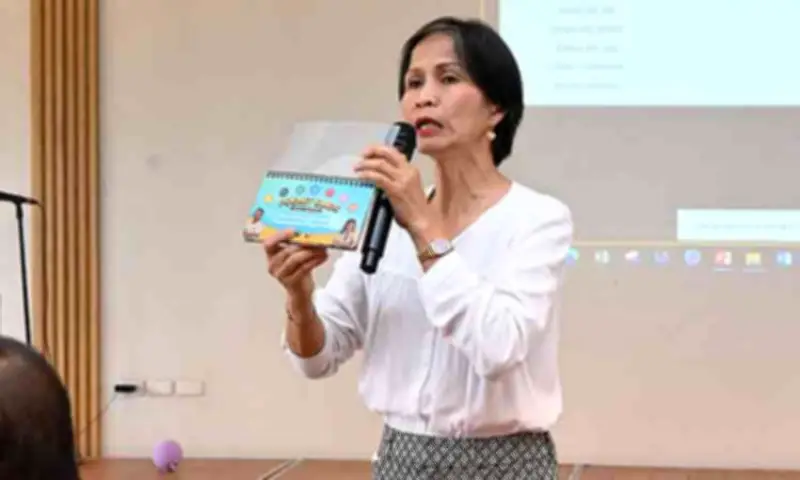
BHWs across the Davao Region receive support from the Department of Health through meetings and training sessions, such as the recently concluded 2026 1st Semester BHW Regional Consultative and Stakeholders Meeting held in Davao City.

The event gathered BHWs, representatives, and partners to share updated policies and systems, including the BHW Connect Registry, which aims to enhance the database and improve health service delivery in their communities. The Davao Region currently has 13,434 BHWs.
During the meeting, a review of household profiling and encoding was conducted, along with a revisit of policy and benefit implementation. These include the DOH-DILG Joint Memorandum Circular 2023-01 (Retention and Continued Service of Barangay Health Workers) and PhilHealth Yakap (comprehensive care package), both emphasizing support for the continued service of BHWs.
Under Republic Act No. 7883 (The Barangay Health Workers’ Benefits and Incentives Act of 1995), the role of BHWs is formally recognized as voluntary service that bridges the gap between local communities and the national health system. The law entitles registered BHWs to incentives such as hazard allowances, subsistence allowances, and training programs to enhance their technical skills.