Five Iranian Women's Football Players Seek Asylum in Australia After Asian Cup
In a significant development in international sports and human rights, five members of the Iranian women's football team have formally requested asylum in Australia. This decision follows their participation in the Women's Asian Cup held in Australia, where they expressed deep-seated fears about returning to Iran due to potential risks and persecution.
Background and Team Movements
The asylum seekers are part of a larger group from the Iranian squad, with seven of their teammates having previously departed from the team under similar circumstances. Currently, the five players are under the protection of the Australian Federal Police, who are overseeing their asylum applications. This move underscores the growing tensions and personal safety concerns faced by athletes from certain regions, particularly women in sports from restrictive regimes.
Political Reactions and International Support
US President Donald Trump has publicly commented on the situation, stating that it would be dangerous for the players to travel back to Iran. He emphasized that the United States is prepared to accept them, offering a safe haven. This statement adds a layer of international diplomacy to the issue, highlighting how sports can intersect with global politics and human rights advocacy.

Symbolic Protests and Team Dynamics
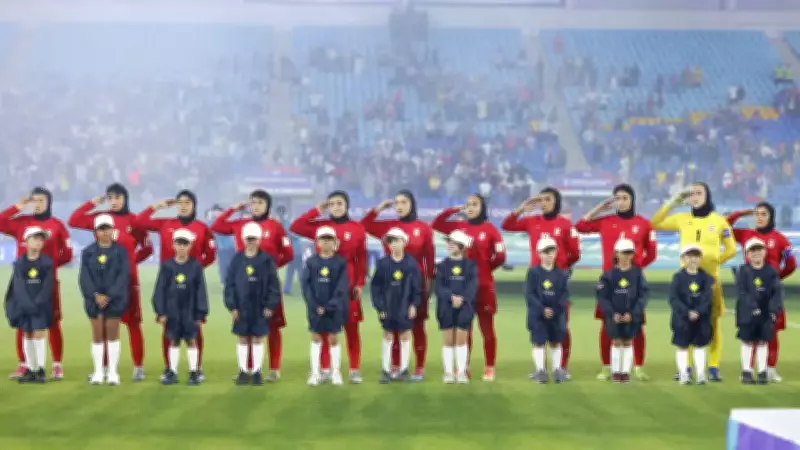
Earlier during the tournament, the Iranian players made headlines when they remained silent during the playing of their national anthem, a gesture interpreted by some as an act of defiance or protest against their government. This incident has been linked to their current asylum bid, suggesting that their actions on the field may have contributed to their fears of retribution upon returning home.
The case raises important questions about the safety and freedom of athletes worldwide, especially those from countries with oppressive regimes. It also spotlights Australia's role in providing refuge and the broader implications for women's sports in Iran and beyond.