The year 2026 has not magically transformed teaching into a difficult profession. The challenges have been accumulating silently for years. However, this year marks a distinct shift because the immense weight educators carry is finally being acknowledged and articulated.
The Viral Lists That Felt Too Familiar
Social media posts circulating in early 2026, detailing what teachers should avoid, resonated deeply across the community. Their impact did not stem from radical ideas, but from their painful familiarity. They painted pictures of ordinary realities: grading papers late into the night, sacrificing precious family time, and the automatic reflex to agree to more tasks even when physically and mentally drained. For countless teachers reading these lists, the reaction was a nod of recognition. Some felt a sense of validation, while others felt seen in a vulnerable way. The author, Herman M. Lagon, writes from within this experience, as a fellow teacher who also needs these reminders.
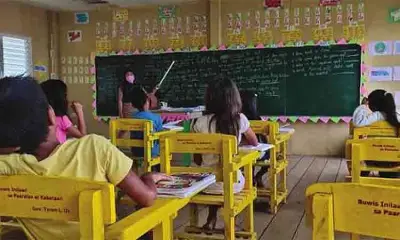
These shared experiences highlight how the teaching profession has expanded far beyond its core functions. It is no longer solely about mastering subject matter and classroom management. The role now demands significant emotional labor, relentless administrative paperwork, and navigating complex social expectations that offer little respite.

The Real Cost of Constant Sacrifice
International studies have long identified the recipe for burnout: high workload combined with low personal control. Local surveys in Philippine schools confirm this pattern, particularly where bureaucratic tasks compete with actual lesson preparation. This environment makes teacher well-being not a luxury, but a necessity. An exhausted teacher can still conduct a class, but a depleted one struggles to maintain the patience, creativity, and genuine care that students need.
One deeply ingrained habit is the difficulty of saying no. In a culture that often glorifies self-sacrifice, taking on extra work can feel like an inherent duty. Joining another committee or responding to messages after hours seems harmless. However, establishing boundaries is not an act of selfishness; it is an act of clarity that protects one's capacity to teach effectively. Many, including the author, admit to failing at this, often replying to work communications during personal time under the illusion it will be quick—a promise rarely kept.
Normalizing Overload and Quiet Comparisons
Another insidious trend is the normalization of overload. When fatigue is universal, being perpetually tired starts to feel standard. Teachers often joke about running on caffeine and minimal sleep, framing it as a badge of resilience. Yet, chronic exhaustion erodes both physical health and the emotional empathy crucial for the classroom. Teaching requires full presence, not mere endurance.
Comparison also works as a silent underminer. It surfaces when educators measure themselves against colleagues who seem to publish more, lead more projects, or manage everything effortlessly. However, every classroom, student group, and personal life circumstance is unique. Filipino teachers frequently juggle multiple roles at work and at home. Professional and personal growth is personal and non-linear. Acknowledging this reality does not eliminate insecurity, but it can make it more manageable.
The conversation started in January 2026 is a critical one. By naming the weight—the emotional toll, the paperwork burden, the cultural pressure to sacrifice—the teaching community begins the essential work of addressing it. The path forward hinges on prioritizing well-being, redefining professional boundaries, and moving away from a culture that mistakes exhaustion for dedication.