Dengue Cases in Davao City Drop Sharply
Dengue cases in Davao City decreased by 61.53 percent during the first five months of 2026, while dengue-related deaths declined by 58.82 percent compared to the same period last year, according to the City Health Office (CHO).
Melodina Babante, head of the CHO Tropical Disease Prevention and Control Unit, reported that dengue cases from January to May dropped from 1,674 in 2025 to 644 this year. Deaths also decreased from 17 to 7 during the same period. Of the seven recorded deaths among reported cases, two were attributed to leptospirosis rather than dengue.
“Davao City is really seeing a decline in cases. We haven't even reached the epidemic threshold. It is very low,” Babante said during the ISpeak Media Forum at the City Mayor's Office on Thursday, June 11.

Babante attributed part of the decline to the implementation of City Ordinance No. 0401-20, also known as the Davao City Mosquito-Borne Diseases Prevention and Control Program.
Cases Still Present Across the City
Despite the decline, dengue remains present across the city. Of Davao City’s 182 barangays, 121 have recorded dengue cases, while 20 barangays are considered areas of concern due to clustering of cases and are being closely monitored by CHO.
Babante noted that most cases are concentrated in barangays within the city’s third congressional district, where frequent rainfall creates conditions favorable for mosquito breeding.
“Every afternoon and evening, there is always rain, specifically in Marilog District, Baguio District, Calinan District, and Tugbok District,” she said. Babante added that Baguio District ranks second among the areas with the highest number of dengue cases.
Emphasis on Waste Segregation and Discipline
Babante emphasized the importance of self-discipline and encouraged residents to “search and destroy possible breeding sites” to sustain the decline.
“It all starts with discipline in proper waste disposal. Dengue and garbage go hand in hand because where do dengue cases come from? From breeding sites found in trash. That is why we must discipline ourselves and cooperate within our respective households,” she said.
Babante also stated that proper waste segregation remains one of the most effective measures in preventing mosquito breeding.
“We would not be experiencing these current waste management issues if proper segregation were actively practiced within our communities,” she said.
CHO Strategies and Ongoing Efforts
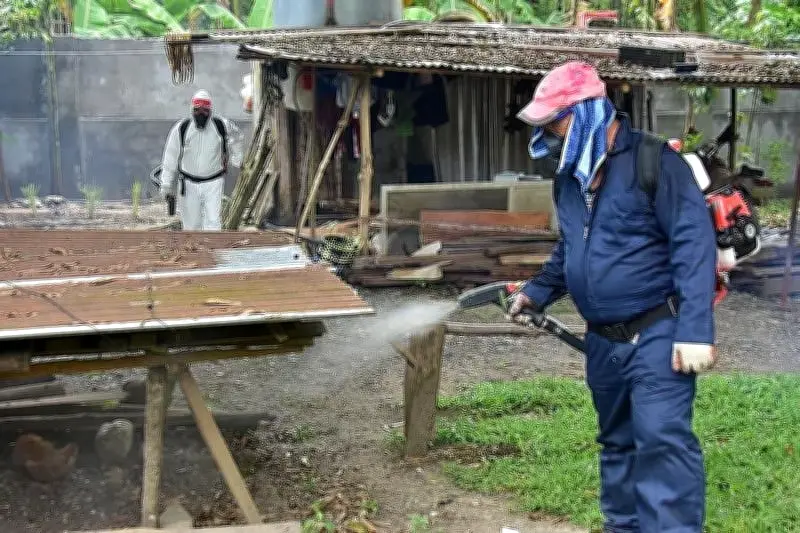
She added that CHO continues to develop strategies to prevent dengue and other diseases. Among its current priorities is the disinfection of waste-accumulation areas along the national highways from Lasang to Boulevard.
The move comes amid mounting garbage piles in parts of the city, following the closure of the New Carmen sanitary landfill, which disrupted waste disposal operations and affected the collection and hauling of solid waste.
Babante also urged Dabawenyos to remain vigilant despite the lower number of cases.
“We should not be complacent. Continued collaboration among the community, barangay officials, and government agencies, including the CHO, CENRO, and the inter-agency task force, is crucial to permanently sustain the decline of dengue cases in Davao City,” she said.
June is observed as Dengue Awareness Month, during which CHO will conduct activities to strengthen public awareness and encourage communities to sustain dengue prevention efforts.