June has long been considered the traditional wedding month in many parts of the world, a distinction that dates back to ancient Roman culture. The month was named after Juno, the Roman goddess of marriage and childbirth, and marrying under her protection was believed to bring good luck, fertility, and a harmonious household. In Western countries and those with four seasons, early summer also provides pleasant weather, making it a favorite time for outdoor and destination weddings.
Philippine Climate and Cultural Shifts
However, in the Philippines, this belief faces a different reality due to climate and culture. June marks the start of the rainy season and typhoon period, making outdoor ceremonies prone to disruption and often less enjoyable. As a result, local marriage trends have changed over time. Data from the Philippine Statistics Authority (PSA) and the Commission on Population and Development (CPD) show that February has replaced June as the month with the highest number of recorded marriages, while December remains a popular choice due to Christmas vacations, better weather, and the return of OFW family members.
Community Celebrations in June
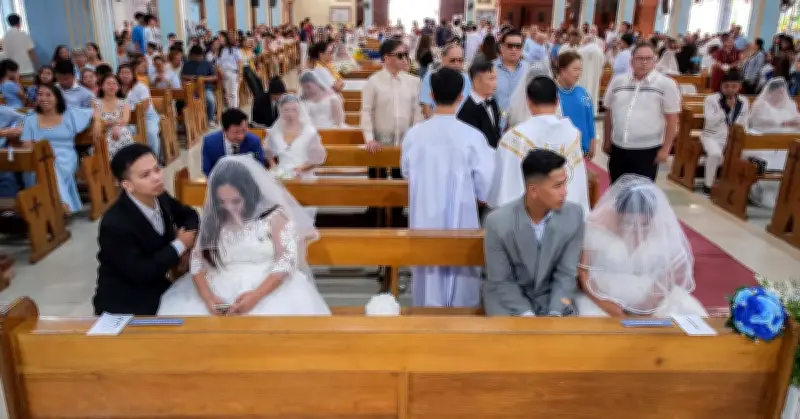
Despite these changes, June continues to hold significance, especially for public and community marriage celebrations. On June 18, 2026, at least 38 couples exchanged vows in a mass wedding organized by the Lapu-Lapu City Government at the Nuestra Señora de Regla Parish National Shrine as part of the city's Charter Day celebration. Dressed in their finest wedding attire and surrounded by family, local officials, and witnesses, the couples marked the beginning of their married life in a ceremony that blended personal commitment with civic celebration.

For many, the occasion was more than just a tradition; it was a long-awaited opportunity to formalize their union with the support of the local government. Amid vows and ring exchanges, the ceremony showcased the enduring cultural significance of marriage and the evolving ways Filipino couples start their shared journey, shaped by tradition, gratitude, and community support.