The collapse of Cebu City's primary garbage disposal facility has plunged Metro Cebu into a deepening crisis, claiming lives and exposing critical failures in the region's solid waste management system.
A Tragedy Unfolds: Death Toll Rises and Region Reels
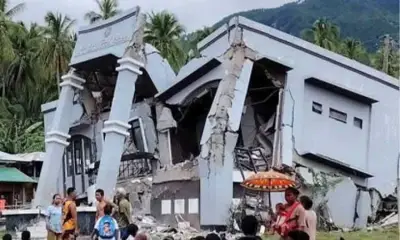
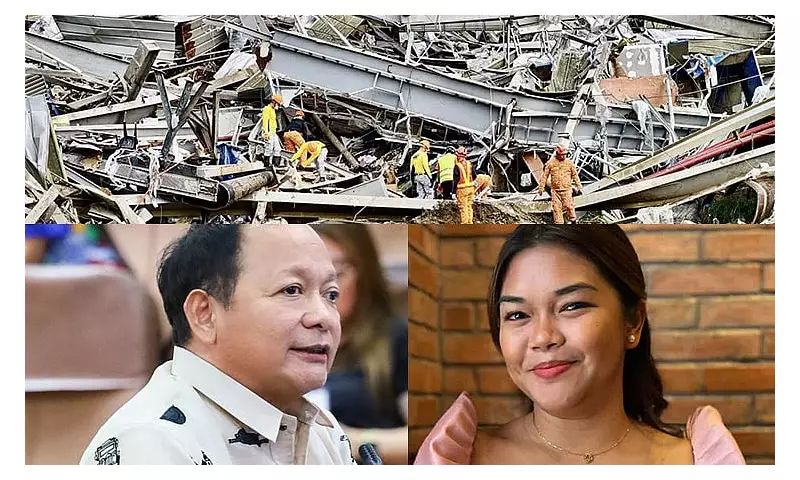
The January 8, 2025, landslide at the Binaliw landfill in Sitio Kainsikan, Barangay Binaliw, has become a devastating human and environmental disaster. As of Monday, January 12, 2026, the death toll has risen to 11, with rescue teams continuing the grim search for 25 missing workers, according to a Xinhua report. The Department of Environment and Natural Resources (DENR) has declared the site a "danger zone," forcing its immediate closure.
This shutdown has created an urgent garbage disposal crisis not just for Cebu City, but for the entire Metro Cebu area. The Binaliw landfill also served as the sole disposal site for the cities of Mandaue and Lapu-Lapu. With the facility now unusable, all three local government units (LGUs) are scrambling to find an alternative for their daily waste.

Systemic Failures and a Mounting Financial Scandal
The tragedy has cast a harsh light on long-standing problems within Cebu City's waste management. The city, which produces an estimated 600 tons of garbage daily, relied entirely on the Binaliw site. This lack of a backup plan has now led to desperate measures.
Complicating the emergency response is the shadow of a recent financial scandal. The City Government was found to have overpaid a staggering P230.72 million for garbage collection due to padded numbers and wrongfully credited collectors. The Commission on Audit's 2024 report flagged over P407 million in garbage hauling and tipping fees for just six months, blaming ballooning costs on poor management.
Annually, Cebu City spends between P550 million to P600 million on garbage disposal, while revenue from related taxes and fees is only about P100 million.
Political Blame Game and the "Act of God" Defense
In the aftermath, Cebu City Mayor Nestor Archival initially suggested the collapse could be an "act of God," citing recent natural disasters like a 6.9 magnitude earthquake and strong typhoons that may have weakened the landfill's structure. However, this characterization has drawn sharp criticism.
Former City Hall employee and environmental advocate, Atty. Aliko Jasmine L. Garganera, publicly challenged this narrative. In a Facebook post on January 10, she argued that referring to a "fortuitous event" in law requires the absence of human contributory negligence. "The collapse could've been caused also by the way the volume of dumped garbage was managed by landfill handlers. God must not have anything to do with that," her post implied, pointing to man-made failures in oversight and infrastructure.
Warnings Ignored and a Search for Blame
Atty. Garganera revealed that she and her father, Councilor Joel Garganera, had warned the city for years. As early as 2017, while working on her father's staff, she opposed the Binaliw landfill and advocated for a shift to more sustainable technology. She claims their proposals to rehabilitate the site, invest in proper infrastructure, and ensure safety compliance were ignored.
"The problem dates back to as early as 2012 when the Inayawan landfill was partially closed," she stated, criticizing what she called "patched-up and band-aid" solutions. The result, she charges, is the current loss of life, livelihood, and environmental damage.
The immediate practical problem remains: where to dump the garbage? On January 11, 2026, Barangay Polog in Consolacion town blocked garbage trucks from the three cities, citing a lack of prior coordination. This standoff highlights the regional tension and lack of contingency planning.
As investigations into the cause of the collapse continue to assign responsibility, Cebu City and its neighbors face a monumental task. They must find an immediate dumping solution, care for the victims and their families, and fundamentally overhaul a broken waste management system that critics say has been crippled by politics and a lack of long-term priority.