The Philippine National Police (PNP) has assured the public, particularly residents affected by the magnitude 7.8 earthquake that struck Mindanao, that police forces will remain on the ground to assist communities, maintain security, and support ongoing disaster response and rehabilitation efforts.
PNP Chief Directs Assistance to Isolated Areas
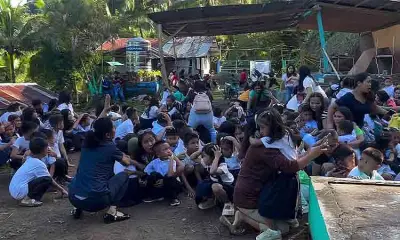
PNP Chief Police General Jose Melencio Nartatez Jr. said on Wednesday, June 10, 2026, that he directed police commanders to prioritize assistance to communities cut off by the powerful quake while helping restore normalcy in urban centers and other affected areas.
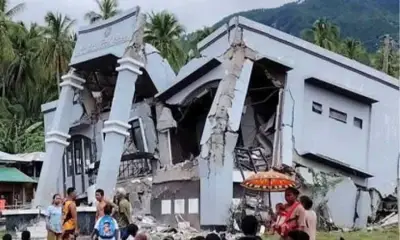
The assurance came as authorities continued rescue, relief, and assessment operations in the aftermath of the earthquake, which caused widespread damage to infrastructure, homes, and public facilities across several parts of Mindanao.

Police Presence Maintained Since Day One
Nartatez said the PNP has maintained a strong presence in urban centers and town proper areas since the first day of the disaster and will continue deployments until normal conditions are restored.
“We have been maintaining police presence in urban areas and town centers since Day One and our deployment in these areas will remain until everything normalizes,” Nartatez said.
He emphasized, however, that the PNP's efforts are not limited to populated areas.
“But we are also focusing on maintaining police presence in isolated barangays and communities not only to provide assistance but also to make the affected local residents feel safe with police visibility,” he added.
Focus on Relief Delivery and Security
According to the PNP chief, police personnel have been tasked to help ensure the unhampered delivery of food, water, medicines, and equipment to communities cut off by damaged infrastructure.
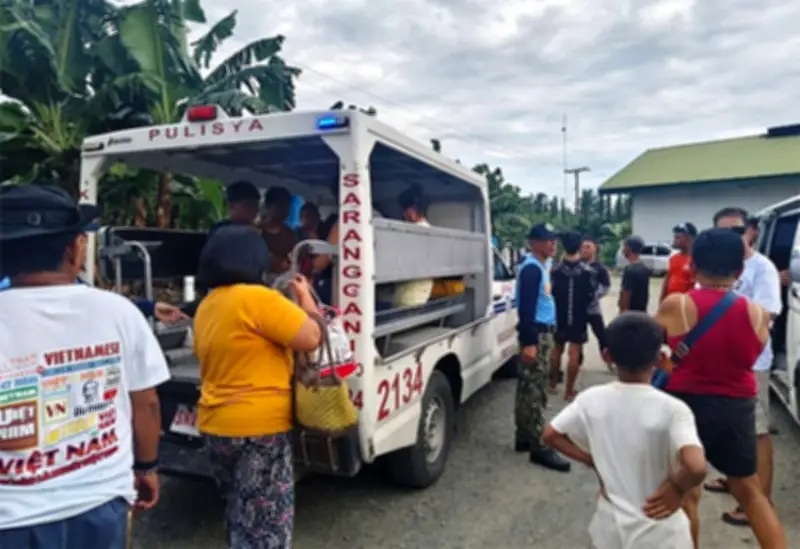
Authorities identified Sarangani province as among the areas most severely affected by the earthquake. Several barangays in the province reportedly became isolated after bridges collapsed and access roads sustained significant damage, complicating relief and rescue operations.
Nartatez said police units have been deployed to these areas to assist local government units and other responding agencies while helping secure communities and facilitate the movement of relief supplies. He stressed that establishing police presence in isolated communities is essential to ensuring the smooth flow of humanitarian assistance and government services.
Commendation for Responding Officers
The PNP chief also commended police officers who immediately responded following the earthquake despite the dangers posed by aftershocks, damaged structures, and unstable conditions.
“Our personnel were already on the streets and communities to extend assistance right after the strong earthquake despite the serious risks of harm and injury. I express my sincerest gratitude for your sacrifices and sense of duty. I am proud of you,” Nartatez said.
Casualties and Ongoing Assessment
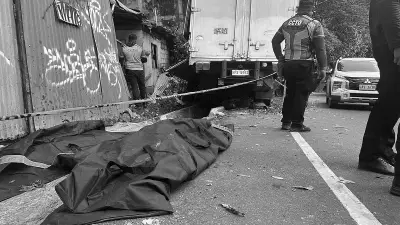
The National Disaster Risk Reduction and Management Council (NDRRMC) recorded 45 fatalities following the earthquake while thousands of families were affected. Authorities continue to assess the full extent of the damage as rescue teams search affected areas and local governments submit updated reports.
Beyond emergency response operations, the PNP said it is preparing to support the broader rehabilitation efforts being planned by the national government. Nartatez said additional police personnel and resources remain on standby for deployment as needed and that the PNP is maintaining close coordination with other government agencies involved in recovery operations.