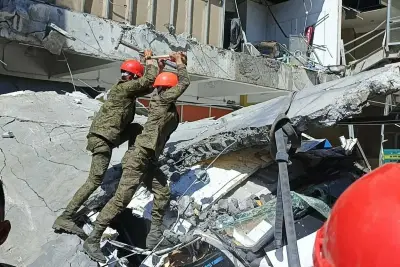
The tragic landslide at the Binaliw landfill has starkly exposed deep-seated weaknesses in Cebu City's waste management system. The incident, which culminated in the recovery of the last missing employee, has prompted urgent calls for systemic reform from city officials.
A Wake-Up Call for Cebu City
In a phone interview on Monday, January 19, 2026, Councilor Joel Garganera, chairman of the Committee on Environment and Natural Resources, stated that while finding the final missing worker was a critical moment, it must be a catalyst for immediate action. The "trash slide" that occurred on January 18, 2026 has forced the city to confront its dangerous over-reliance on a single disposal site.
Garganera emphasized the pressing need for the rehabilitation of the city's sole landfill. He also highlighted the parallel necessity to reduce environmental hazards and fundamentally shift public culture towards waste segregation and recycling.

Demand for an Independent City Probe
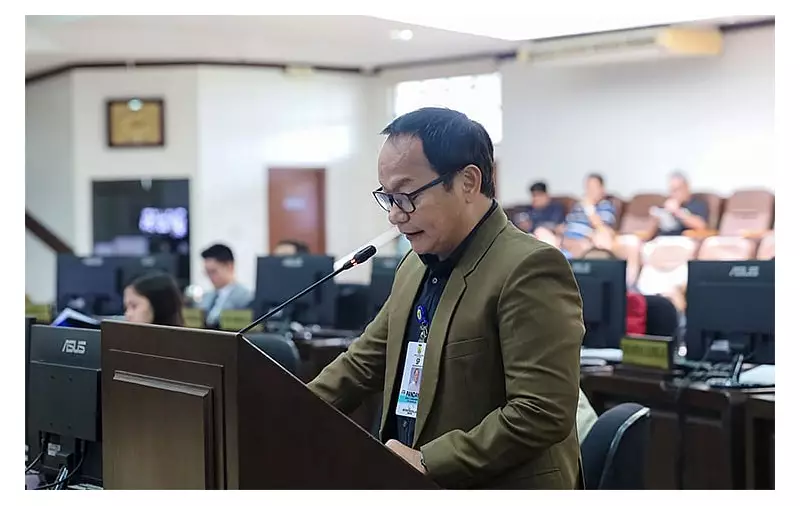
Striking a firm stance, Councilor Garganera argued that Cebu City Hall must conduct its own investigation into the disaster, rather than relying solely on the findings from the Department of Environment and Natural Resources (DENR). He asserted that the city possesses the in-house capacity with its own lawyers and technical experts on solid waste management to carry out a thorough inquiry.
This position introduces a notable contrast. While Mayor Nestor Archival stated on Sunday that the City Hall would support any findings from the DENR's investigation, Garganera pressed the question, "Don't we have our own investigation? We have lawyers, we have technical people on solid waste management… we want to know why it happens." He believes a transparent, city-led probe is vital to restore public trust and prevent a repeat catastrophe.
Broader Systemic Failures and Daily Realities
The councilor pointed out that the disaster's aftermath necessitated a declaration of a state of calamity. This move was crucial not only due to the loss of life but also to legally expedite negotiations for alternative waste disposal sites while the city struggles to handle its daily output.
The scale of the problem is immense. Cebu City generates an estimated 600 to 700 tons of garbage every single day. Garganera warned that this volume highlights the perilous vulnerability of depending on just one landfill. When the Binaliw site was compromised, the city's entire waste management infrastructure collapsed, revealing a system with no effective backup plan.
The Binaliw tragedy is more than an isolated incident; it is a symptom of a broken system. The call from officials like Garganera is clear: Cebu City must enact immediate and comprehensive reforms in its waste management strategy, infrastructure, and public engagement to avert future environmental and humanitarian crises.