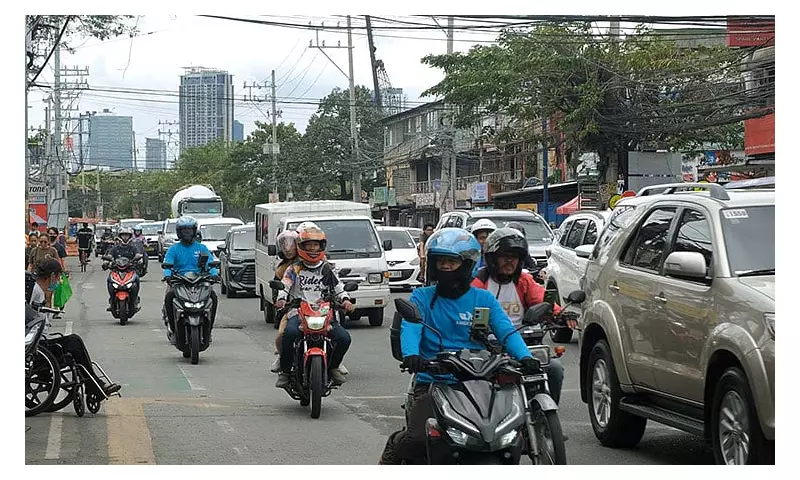
For millions of Filipinos in major cities, the daily commute is a complex and time-consuming reality of urban life. In hubs like Manila, Cebu, and Davao, residents depend on a familiar mix of traditional transport—jeepneys, habal-habal, tricycles, and taxis—primarily because they are affordable and widely available. These vehicles are not just modes of transport; they are essential for getting to work, taking children to school, and sustaining livelihoods.
The Growing Strain on Commuters and Infrastructure
As urban populations swell, the limitations of this existing system are becoming impossible to ignore. Recent urban mobility studies reveal a stark picture: commuters in major Philippine cities spend more than two hours traveling every single day. To navigate the city's gaps, nearly 70 percent of passengers report they must combine two or even three different types of transport just to complete one journey on time. This points to a critical and widening disconnect between the daily needs of the public and the current capacity of public transportation.
This gap is often immediately apparent to visitors. While many tourists are eager to ride a jeepney for the cultural experience, the reality of long, hot, and congested trips can be draining. "I enjoy the energy of the streets, but during rush hour, I really wish for a closed, air-conditioned ride where I can rest," shared Daniel Wong, a visitor from Singapore. His sentiment underscores a growing demand for comfort and safety alongside basic mobility.

Public Voices and the Push for Managed Evolution
Online discussions among Filipinos reflect a similar desire for improvement, but with important caveats. In a public Facebook post, user Maria Lopez emphasized that people are open to positive change, provided new options make travel more convenient without adding financial strain. The consensus leans towards enhancement, not eradication, of the current transport ecosystem.
Another perspective, from Facebook user Adrian Cruz, highlights the potential benefits of well-managed competition. He noted that it could expand passenger choice, improve accessibility, and incentivize gradual upgrades in vehicle quality and service standards. This view frames the evolution of urban mobility as an opportunity to raise the bar for everyone.
Electric Vehicles: A Complementary Solution for Specific Needs
Against this backdrop, the discussion around electric vehicles (EVs) is gaining traction. They are increasingly seen not as a wholesale replacement for jeepneys or taxis, but as a viable response to specific, unmet needs. For a growing segment of commuters—including older citizens, families with young children, and visitors—EVs offer an alternative that prioritizes comfort. Features like enclosed cabins, consistent air conditioning, and a smoother ride can make peak-hour journeys significantly less taxing.
This shift in passenger expectations also directly impacts drivers. As user Paulo Reyes pointed out in a social media post, reducing dependence on expensive conventional fuel can help drivers better manage operating costs and achieve more stable, predictable incomes. Lower financial pressure can, in turn, allow for more sustainable working hours, which supports better overall service quality.
Vehicle condition is another key concern entering the public discourse. Facebook user Jonathan Lim observed that many traditional taxi units have been in service for over a decade and often fail to meet modern expectations for cleanliness and safety. From this viewpoint, the gradual introduction of newer, more environmentally friendly vehicles is intrinsically linked to improving the everyday travel experience for all.
Ultimately, mobility for Filipinos is a practical, daily concern. In cities where public transport networks are still insufficient, the coexistence of multiple transport modes is inevitable. When managed effectively, this diversity can serve passengers better while creating pathways for drivers to improve their livelihoods. In the constant movement that defines Philippine metropolises, what people seek is straightforward: journeys that are manageable, reliable, and trustworthy enough to sustain daily life.