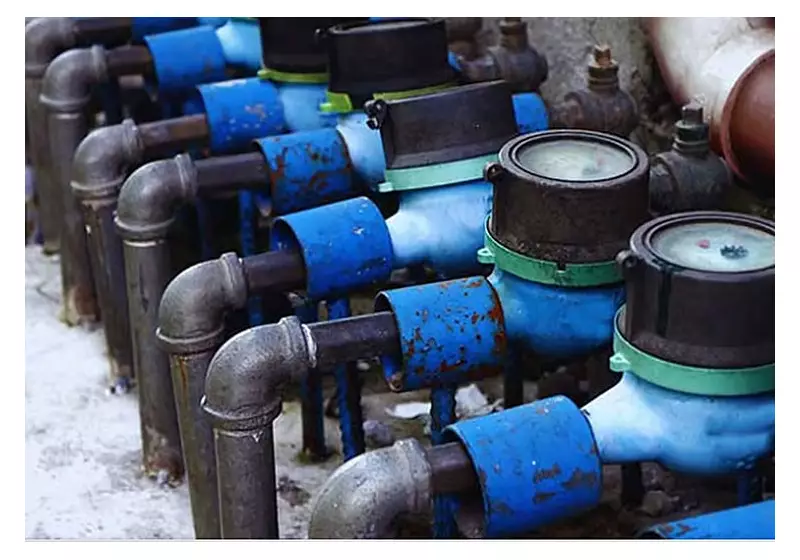
The Cebu Electricity Rights Advocate (Cera) has issued a stark warning, stating that Metro Cebu's water supply is in a "dangerously fragile state." The advocacy group points to a critical lack of integration between the island's power grid and its water infrastructure as the core vulnerability.
A System Unable to Withstand Disruption
Cera convenor Nathaniel Chua explained that managing water and power as separate entities leaves the entire system exposed. He emphasized the urgent need for a shift toward a unified approach called "Critical Infrastructure Resilience." This model would protect both utilities as a single, interdependent ecosystem.
"At present, water security remains hostage to grid instability," Cera stated bluntly. The group argues that the current setup cannot handle systemic disruptions, putting the entire region's water access at risk.

Proposed Solutions: Power Lines and Micro-Grids
To address this crisis, Cera is pushing for concrete actions. Their primary proposal is for the Metropolitan Cebu Water District (MCWD) to secure dedicated, non-interruptible power lines from Visayan Electric for all major pumping stations.
Chua highlighted that critical hubs, including the Jaclupan and Lusaran facilities, need immediate upgrades. He recommended installing high-capacity energy storage systems or micro-grid solutions. This would ensure water pressure is maintained even during power grid "Yellow Alerts," when reserves are dangerously low.
"Expansion without climate-resilient hardening is a wasted investment," Chua warned, stressing that new projects must be built to endure future challenges.
Visible Symptoms and Growing Demands
The consequences of this failed synergy are already apparent. Cera identified chronically low water pressure in fire hydrants as a direct symptom of the unstable connection between the grid and pumping stations.
The scale of the problem is massive. Metro Cebu currently faces a staggering water supply shortfall of 300 million liters per day. Cera contends that meeting this demand is impossible without a stable baseload power supply, especially as Cebu's electricity consumption grows by roughly 150 megawatts (MW) annually.
Broader Advocacy for Consumer Protection
Beyond physical infrastructure, Cera is advocating for policy changes to protect consumers. Their proposals include:
- A "zero-consumption fee moratorium" to ease the financial burden on households.
- A mandated reduction in non-revenue water (NRW) to improve utility accountability and efficiency.
- Establishing an enhanced lifeline program to safeguard low-income families.
The group also called for the Central Cebu Protected Landscape (CCPL) to be funded and protected as a critical economic asset, vital for water security and under threat from encroachment.
Call for Local Power and Long-Term Vision
With energy forecasts predicting a tighter supply-demand balance by 2026, Cera urged both the government and private sector to fast-track the development of island-based power facilities. While inter-island connections and renewable projects are important, Chua stressed they are "supplements rather than substitutes" for reliable local baseload power.
"Consumers deserve water and energy systems that are resilient, transparent, and built to secure both household needs and long-term economic growth," Chua concluded, framing the issue as fundamental to Cebu's future stability and prosperity.