BCCP Urges Philippines to Fortify ASEAN Economic Integration During 2026 Chairmanship
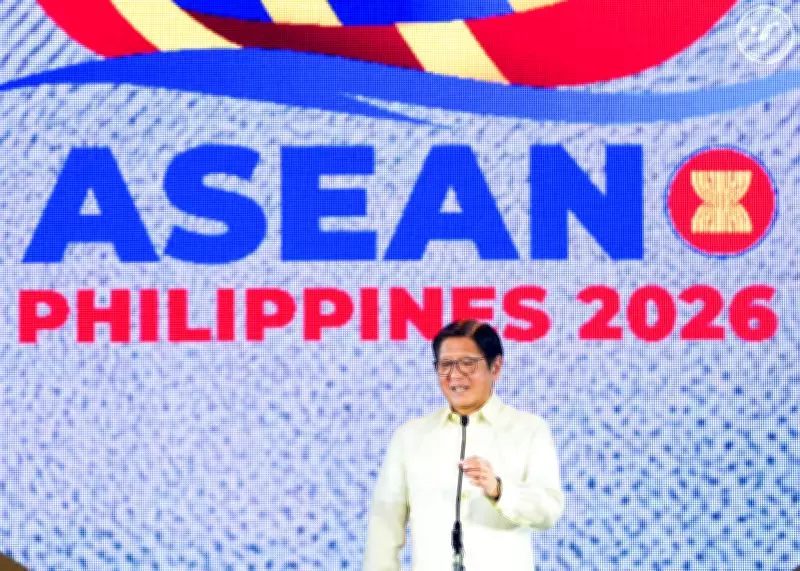
In a significant statement, the British Chamber of Commerce of the Philippines (BCCP) has emphasized the critical role the Philippines must play in strengthening economic integration across the ASEAN region as it assumes the chairmanship in 2026. Executive Vice Chair Chris Nelson articulated that this leadership position presents a pivotal opportunity for the nation to drive substantial reforms and foster greater regional cooperation.
A Strategic Opportunity for Economic Advancement
According to Nelson, the Philippines' chairmanship of ASEAN is not merely a ceremonial role but a powerful platform to advance economic liberalization. He highlighted that implementing targeted reforms can significantly benefit the economy by:
- Enhancing trade facilitation and reducing barriers.
- Promoting investment flows within member states.
- Strengthening regulatory frameworks to support business growth.
Nelson stressed that proactive measures in these areas could lead to a more resilient and interconnected ASEAN market, ultimately boosting prosperity for all participating countries.

Vigilance in a Dynamic Global Market
In his remarks, Nelson also called for heightened vigilance regarding global market dynamics, particularly concerning tariff policies and international trade statements. He warned that such policies could have far-reaching impacts on regional economies, underscoring the need for the Philippines to:
- Monitor and respond to external economic pressures.
- Advocate for fair trade practices within ASEAN.
- Mitigate potential disruptions to market stability.
This alertness, he argued, is essential for safeguarding the economic interests of ASEAN nations amidst evolving global challenges.
Digitalization as a Key Driver for Regional Growth
A focal point of Nelson's advocacy was the importance of digitalization in transforming ASEAN's economic landscape. He emphasized that leveraging technology and digital tools is crucial for:
- Improving trade efficiency and reducing operational costs.
- Enhancing business connectivity and data flow across borders.
- Fostering innovation and competitiveness in the digital economy.
By prioritizing digital initiatives, the Philippines can lead efforts to modernize regional trade systems, making ASEAN more agile and responsive to future economic trends.
The Philippines' Leadership Role in ASEAN Prosperity
As the current ASEAN Chair, the Philippines holds a significant responsibility in expanding trade and actively promoting economic development throughout the region. Nelson reiterated that through strategic leadership and collaborative efforts, the country can:
- Champion policies that support sustainable growth.
- Encourage member states to adopt best practices in economic governance.
- Build a more integrated and prosperous ASEAN community.
This call to action underscores the broader expectation for the Philippines to not only chair meetings but to drive tangible progress in regional economic integration, setting a positive precedent for future ASEAN collaborations.