Mindanao Alliance for Progress Calls for Proactive Measures Amid Global Oil Market Tensions
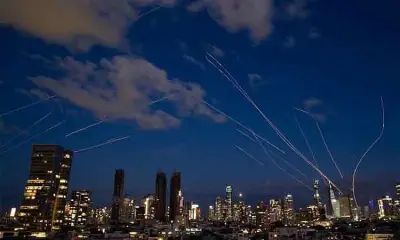
The Mindanao Alliance for Progress (MAP) has issued a strong appeal to both national and local authorities, urging them to implement proactive steps to safeguard Filipino consumers. This call to action comes as escalating tensions in the Middle East, particularly involving Iran, pose a significant threat to global oil markets. The potential disruptions could trigger sharp increases in fuel prices, with ripple effects across the Philippine economy.
Economic Consequences for Filipino Households
Although the conflict is geographically distant from Philippine shores, its economic repercussions are expected to directly impact Filipino households. Rising fuel costs are likely to lead to higher transportation expenses and possible increases in the prices of food and basic goods. Mindanao, as a region heavily dependent on transported fuel and commodities, is particularly vulnerable to these global shocks and cannot remain insulated from the fallout.
Urgent Calls for Price Monitoring and Enforcement
In response to these threats, MAP is urging government agencies to intensify their price monitoring and enforcement efforts. The alliance emphasizes the need to ensure that businesses do not exploit the international crisis as a pretext for unjustified price hikes. Consumers must be protected from harmful practices such as profiteering, hoarding, and price manipulation, which could exacerbate the financial burden on ordinary families already struggling with economic pressures.

Monitoring Critical Sectors and Preparing Assistance
MAP also calls on local authorities to maintain close surveillance over several key sectors, including:
- Transport fares
- Electricity rates
- Water service costs
- Logistics expenses
Rising fuel prices can quickly cascade into increased costs for power generation, water operations, public transportation, and the delivery of essential goods. MAP insists that any adjustments in these areas must remain justified, transparent, and fully compliant with existing regulations to prevent undue hardship.
Additionally, the government should prepare assistance mechanisms for Overseas Filipino Workers (OFWs) and their families in case the Middle East conflict escalates further. Many Filipino households rely heavily on remittances, and local communities must be ready to support families who may be adversely affected by disruptions in the region.
Long-Term Strategies for Resilience
Finally, MAP urges both the government and the private sector to view this situation as a critical reminder of the country's vulnerability to global oil disruptions. To build greater resilience and shield consumers from similar crises in the future, the alliance advocates for long-term steps, such as:
- Strengthening local food production systems
- Improving energy resilience through diversified sources
- Protecting water security infrastructure
- Encouraging more efficient transportation systems
By taking these proactive measures, the Philippines can better navigate the uncertainties of global markets and protect its citizens from economic instability.