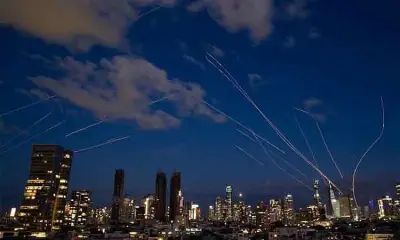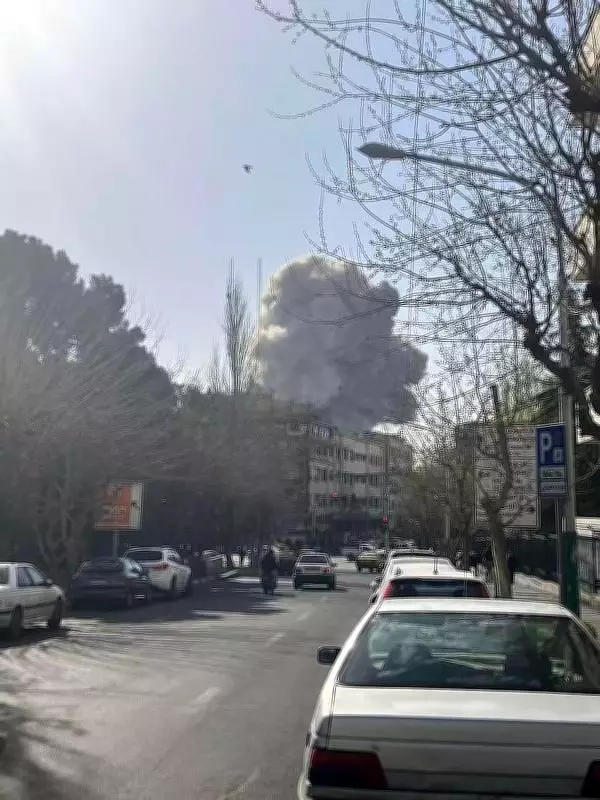
In response to the escalating conflict in the Middle East, the Overseas Workers Welfare Administration (OWWA) 7, in collaboration with the Department of Migrant Workers (DMW) 7, has activated regional contingency protocols to ensure the safety of Overseas Filipino Workers (OFWs) from Central Visayas. This proactive measure aims to safeguard Filipino nationals amid rising tensions in the region.
No Casualties Reported Among Central Visayas OFWs
In a statement released on Monday, March 2, 2026, OWWA 7 reported that there have been no recorded casualties among OFWs from Region 7. Additionally, the agency has not received any requests for assistance from affected workers at this time. The announcement provides a measure of relief to families and communities concerned about their loved ones abroad.
Real-Time Monitoring and Communication Efforts
OWWA 7 emphasized that they are maintaining constant communication with Migrant Workers Offices (MWO-OWWA) across the Middle East to monitor the situation in real-time. This continuous liaison allows for swift responses to any emerging threats or needs, ensuring that OFWs receive timely support and updates.

Joint Team Deployed at Mactan-Cebu International Airport
A joint team from OWWA 7 and DMW 7 is currently on standby at the Mactan-Cebu International Airport (MCIA) to assist returning or repatriated OFWs, including those affected by flight disruptions. The team's responsibilities are comprehensive and designed to ease the transition for workers arriving from conflict zones.
Comprehensive Assistance Package for Returning OFWs
The assistance provided includes:
- Airport reception and profiling to quickly identify and register arrivals.
- Emergency accommodation and meals for those in immediate need.
- Transportation arrangements to their respective provinces upon arrival.
This support system aims to address the logistical and humanitarian challenges faced by OFWs during repatriation efforts.
Advisory for OFWs on Flight Status and Travel
OFWs are strongly advised to check the status of their flights and coordinate with their airlines before heading to the airport. This precaution helps avoid unnecessary travel and potential exposure to unsafe conditions, ensuring a smoother and safer return process.
DFA Alert Levels for Middle Eastern Countries
The Department of Foreign Affairs (DFA) has issued updated alert levels for various countries in the Middle East, guiding OFWs on necessary actions:
- Alert Level 4 (Mandatory Repatriation): Iraq, Syria, Iran
- Alert Level 3 (Voluntary Repatriation): Lebanon
- Alert Level 2 (Restriction on Non-Essential Travel): Israel, United Arab Emirates, Saudi Arabia, Qatar, Kuwait, Bahrain
- Alert Level 1 (Exercise Caution): Jordan
- Normal (Heightened Vigilance): Oman
These levels provide clear directives for OFWs based on the severity of risks in each location.
Statistics on OFWs from Central Visayas in Affected Countries
OWWA 7 has recorded a total of 33,903 registered OFWs from Region 7 in the affected Middle Eastern countries. This breakdown highlights the significant number of Filipino workers potentially impacted by the conflict, underscoring the importance of the contingency protocols.
Call to Action for Families in Central Visayas
Families in Central Visayas are encouraged to contact the OWWA 7 hotlines for assistance or to express concerns about their relatives working abroad. This outreach ensures that support is accessible to those who need it, fostering a community-based approach to crisis management.
The coordinated efforts between OWWA 7 and DMW 7 demonstrate a commitment to protecting OFWs during international crises, with ongoing monitoring and preparedness measures in place to adapt to evolving situations in the Middle East.