Trump Escalates Feud with Pope Leo XIV, Calling Him 'Weak' and 'Terrible'
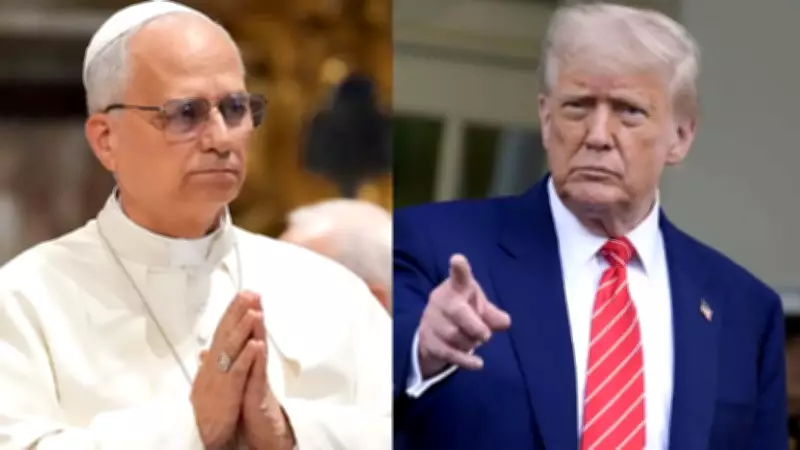
In a sharp escalation of diplomatic tensions, US President Donald Trump has publicly criticized Pope Leo XIV, the leader of the Catholic Church, labeling him as "weak" on crime and "terrible" in matters of foreign policy. This verbal attack comes in direct response to the pontiff's recent condemnation of Trump's own foreign and immigration strategies, highlighting a growing rift between the American presidency and the Vatican.
Roots of the Conflict: Iranian and Immigration Policies
The controversy ignited when Pope Leo XIV denounced Trump's threat to "destroy Iranian civilization," a statement the pontiff deemed "unacceptable." Additionally, the Pope called for profound reflection on the treatment of migrants in America under the Trump administration, urging a more compassionate approach. These criticisms struck a nerve with the US President, prompting his retaliatory remarks.
In a social media post, Trump not only defended his policies but also advised Pope Leo to "fix his act" as the Holy Father. During a press interaction, Trump further admitted that he is not a "big fan" of the pontiff, underscoring the personal nature of this dispute. This exchange marks a significant moment in US-Vatican relations, as it pits the leader of the world's largest superpower against a key global moral authority.

Broader Implications for International Diplomacy
The clash between Trump and Pope Leo XIV raises critical questions about the intersection of politics and religion on the world stage. Analysts suggest that such public spats could undermine collaborative efforts on issues like humanitarian aid and global peace initiatives. As both figures command substantial influence, their discord may resonate far beyond mere words, potentially affecting diplomatic channels and public opinion worldwide.
This incident also reflects ongoing debates within the United States regarding immigration reform and foreign intervention. Trump's stance has consistently emphasized national security and assertive foreign policy, while Pope Leo's advocacy aligns with broader Catholic teachings on human dignity and international cooperation. The tension between these viewpoints is likely to persist, shaping discussions in both political and religious spheres for the foreseeable future.