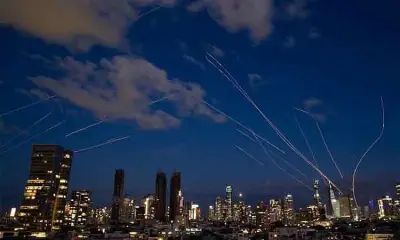
The recent escalation of hostilities between the United States and Iran has sent shockwaves across the globe, with immediate and tangible consequences felt even in distant nations like the Philippines. While the geopolitical intricacies of the intelligence driving US President Donald Trump's decision to authorize airstrikes remain opaque to many, the call for peace resonates louder than ever among those witnessing the fallout.
The Economic Toll on Filipino Households
The most direct impact of the conflict has been a sharp spike in global oil prices, which has swiftly translated into higher costs for gasoline and diesel within the Philippines. This surge in fuel prices has created a domino effect, inflating the prices of essential commodities across the board. For instance, the cost of rice has escalated dramatically, jumping from approximately 62 pesos per kilogram to over 70 pesos per kilogram in a short period.
This inflationary pressure is placing an immense strain on Filipino citizens, particularly those in the lower-middle class and retirees living on fixed incomes. The financial uncertainty breeds fear and anxiety, with many expressing that the economic instability feels overwhelming. Interestingly, perspectives on the conflict vary widely, even within local communities. Some, like a nearby sari-sari store owner, support the aggressive stance against Iran, citing fears of potential cultural and religious dominance.

Cultural Divides and Global Tensions
The conflict underscores deeper, pre-existing cultural and religious divides. Many Christians worldwide harbor apprehensions about Muslim dominance, a fear often amplified by the global image of certain Muslim groups. Conversely, in the Middle East, a deep-seated resentment toward Western nations has festered, fueled by historical and ongoing military interventions. This mutual distrust pushes the prospect of lasting peace further out of reach, replacing hopes for global harmony with the stark realities of economic disruption and human suffering.
War's Unintended Consequence: Accelerating the Green Transition
Amidst the turmoil, however, a silver lining emerges. The current crisis has inadvertently catalyzed a significant push toward renewable energy development. The vulnerability exposed by global reliance on Middle Eastern fossil fuels has become painfully clear. As fuel prices skyrocket, consumer interest in alternatives, such as modern electric vehicles from manufacturing powerhouses like China, has surged noticeably.
This war has served as a stark reminder and a powerful motivator. It has prodded manufacturers and governments to accelerate investments in alternative energy sources—solar, wind, and other renewables. While the development of these technologies has historically been gradual, the current geopolitical climate provides a new, urgent impetus. The goal is clear: to reduce global dependence on fossil fuels, thereby diminishing the economic and political leverage held by oil-producing regions embroiled in conflict.
A Future Less Burdened by Fossil Fuels
Historically, conflicts in the Middle East have carried a heavy global price tag precisely because of this entrenched reliance on oil. The vision for a more peaceful future is intrinsically linked to energy independence. As renewable energy technology advances, becomes more efficient, and decreases in cost, the world can hope to insulate itself from the economic shocks of regional wars. The path forward requires sustained commitment to innovation and a collective rejection of short-sighted militarism disguised as leadership. The hope is that the pace of green energy advancement will ultimately outstrip the emergence of new warmongers, paving the way for a more stable and prosperous global community.