A recent visit to one of Cebu's most sacred sites has sparked a significant public debate about rules, respect, and consistency. The Basilica Minore del Sto. Niño de Cebu, a major church and symbol of faith, finds itself at the center of a controversy involving a high-profile political figure and its clearly stated policies.
The Incident That Sparked the Debate
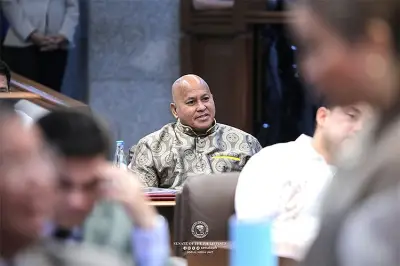
On January 10, 2026, a public discourse erupted after photos surfaced of Senator Imee Marcos inside the Basilica. The images showed her wearing attire considered to be in violation of the official dress code that has been enforced since October 2024. This policy is clear, specific, and communicated to all who enter the sacred place. The incident raised immediate questions about why the rule appeared not to apply in this instance.
Broader Implications for Institutional Integrity
The situation goes beyond a simple dress code violation. Academically, following rules is seen as a reflection of discipline and social learning. When an educated and high-ranking national official is seen not complying, and is not corrected by the church authorities, it can be interpreted as a symbol of selective enforcement. This suggests that rules can be disregarded "as if" education or an internalization of institutional norms does not matter.

The implication deepens when considering the silence or lack of reaction from the church hierarchy. If an ordinary devotee is stopped for inappropriate attire, while a political personality is allowed to pass, it creates a perception that violations are permitted for those with power, prestige, or influence. As an institution tasked with educating the conscience, the Church has an obligation to uphold consistent principles.
A Test of Principles Amid Financial Support
The Basilica, thanks to the many devotees and tourists it attracts, receives substantial financial support through offerings, donations, and religious tourism. This very situation, however, has opened a serious discourse about the institution's integrity, especially when rules are clearly violated and seemingly allowed. The core question becomes: is respect for the sanctity of the Basilica and the authority of the Church measured by the size of donations or the popularity of involved personalities, or is it measured by the consistency of its principles?
Allowing a violation to go unchecked, even implicitly, risks diluting the message of moral discipline and social learning the institution aims to promote. The ongoing conversation challenges the Basilica and similar institutions to demonstrate that their moral authority is unwavering, applied equally to all, regardless of status.