The year 2026 has arrived in Cebu, but for many, the shadows of 2025 linger heavily. Countless Cebuanos, having endured twin calamities that ravaged the province late last year, remain in evacuation centers, their homes and loved ones lost. While the instinct is to move forward, the physical and emotional scars make forgetting an impossible task for those most affected.
A Nation's Stance: Between a Rock and a Hard Place
Looking ahead, the question isn't about personal resolutions but about collective hopes for the new year. On a global scale, the Philippines finds itself in a precarious geopolitical position. The fervent wish is for easing tensions in the region, as peace remains the nation's paramount interest. There is a palpable concern that warmongering rhetoric from politicians in Manila could be used as a diversion from pressing domestic issues, notably the ongoing probes into government corruption. This tactic preys on what the author describes as the public's often fleeting attention span.
The Systemic Plague: Corruption's Staggering Cost
The fight against corruption is not merely an aspiration but a critical necessity. The data is damning. According to Transparency International's 2024 Corruption Perceptions Index, the Philippines ranks third most corrupt in Southeast Asia, trailing only Cambodia and Myanmar. Nationally, it sits at 18th out of 45 Asian countries. The country scored a mere 33 out of 100, where 0 signifies "highly corrupt."

The financial hemorrhage is even more shocking. Studies by the Philippine Institute for Development Studies and other watchdogs estimate that corruption drains between P700 billion to P1.4 trillion annually from the nation's coffers. This systemic loss occurs through ghost projects, bribery, smuggling, and political patronage, painting a picture of a deeply ingrained problem.
A Personal Slip and the Culture of Complicity
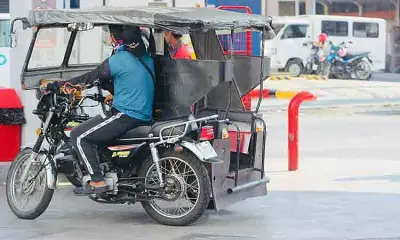
The author admits to a personal, albeit minor, encounter with this culture. After making an illegal left turn in Metro Manila, a traffic enforcer hinted at avoiding the "hassle" of a formal ticket. The ensuing, awkward negotiation—where the enforcer refused to name a price but left it "up to" the driver—ended with the author paying a small sum. This experience highlights how easily one can be drawn into the system, even with the best intentions. It stands in stark contrast to the grand-scale corruption the author condemns, wondering how the major culprits sleep soundly in their luxury beds, seemingly devoid of conscience.
For the author, a conscious trade-off has been made: ambition and wealth exchanged for peace of mind. Yet, the lingering question remains whether that inner peace is enough in a world of material desires.
The most fervent hope for 2026 is simple yet profound: to be spared from deadly calamities. The trauma of tremors and devastating flash floods that can wipe out communities overnight has left a deep mark. This anxiety manifests unexpectedly, like crying while chopping an onion—a small, inexplicable release of the accumulated stress from a tumultuous year. As Cebu and the Philippines step into 2026, the collective wish is for recovery, accountability, and a much-needed respite from the forces of nature and human failings alike.