The Philippine Navy has officially integrated joint maritime exercises with allied nations into its core operational strategy, a move that significantly expands its capacity to patrol the country's vast maritime territories.
From Training to Operational Maneuver
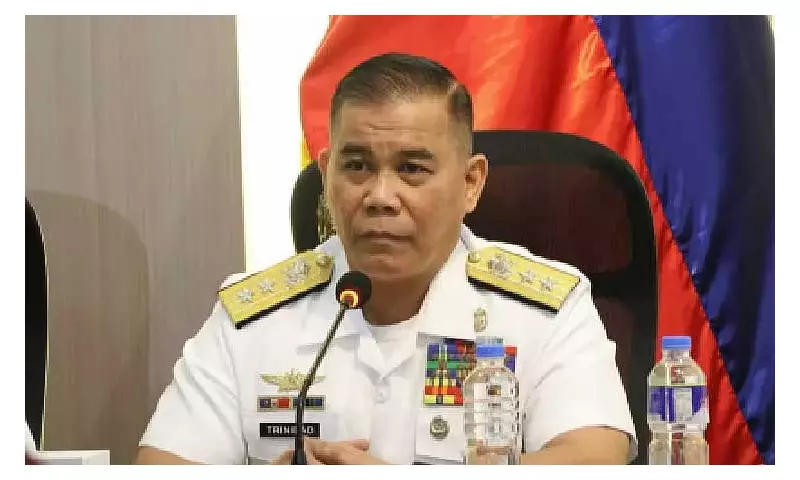
In a significant policy shift, the Armed Forces of the Philippines (AFP) no longer views multilateral drills as mere training events. Philippine Navy spokesperson for the West Philippine Sea, Rear Admiral Roy Vincent Trinidad, emphasized that these activities are now a fundamental part of the military's operational design. "MMCAs are now part of our operational design. We don't look at them as mere training activities but as part of our operational maneuver already," Trinidad stated in a recent interview.
This strategic change allows the Navy to cover more extensive areas of the Philippine maritime domain. The policy was formally adopted in the first quarter of 2024 under the command guidance of AFP chief General Romeo Brawner Jr..

Expanding Reach in Key Areas
The multilateral maritime cooperative activities (MMCAs) are being conducted in two primary regions: the contentious West Philippine Sea (WPS) and the southern part of the Philippines. This dual focus addresses both external security challenges and internal maritime security concerns.
The schedule for these engagements is robust. For the year 2025, the Philippines has planned a total of eight MMCAs alongside twelve bilateral maritime cooperative activities with various partner nations.
Future Participation and Strategic Secrecy
When questioned about the potential for more countries to join these multilateral efforts, Rear Admiral Trinidad maintained a stance of strategic discretion. He assured that the public would be informed once any new partnerships are finalized, but stressed the importance of not pre-announcing operational plans. "Again, the moment that these are finalized, you will be informed accordingly. We do not declare in advance our forthcoming activities," he added.
This approach underscores the activities' transition from symbolic diplomatic exercises to integral components of the nation's active maritime defense and surveillance posture.