A progressive organization based in Cebu has issued a strong appeal to the Philippine government, urging a reassessment of its military alliance with the United States. This call to action comes in the wake of a recent U.S. military operation in Venezuela that resulted in the arrest of that country's president, Nicolás Maduro.
Call to Scrutinize Edca Sites
On Tuesday, January 6, 2026, Bayan Central Visayas publicly called on the administration of President Ferdinand Marcos Jr. to work toward the removal of all U.S. troops and military facilities from the Philippines. The group specifically targeted the Enhanced Defense Cooperation Agreement (Edca) for review.
The group's statement was a direct response to "Operation Absolute Resolve," a U.S. military raid carried out in Caracas, Venezuela, on Saturday, January 3. Protesters and the group alike condemned the strikes, labeling them a blatant violation of national sovereignty that put civilian lives at risk.

"If this can be done to Venezuela, it can be done to any country that refuses to follow U.S. orders," Bayan Central Visayas stated. They argued that the motive behind the operation was not a push for democracy but a desire to control Venezuela's vast natural resources.
Local Risks for Cebu Highlighted
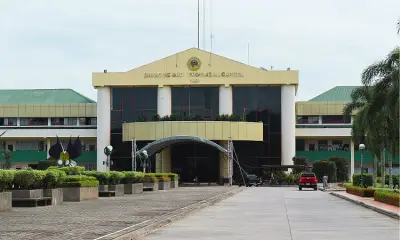
The group emphasized the direct local implications for Filipinos, particularly in Cebu. They pointed out that the Brig. Gen. Benito N. Ebuen Air Base in Lapu-Lapu City, Cebu, is one of the nine identified Edca sites in the country.
"This means our island can be used for war preparations and can become a target if a bigger war breaks out," the group added, expressing concern that hosting foreign military assets could draw the Philippines into international conflicts.
Contrasting Views on Edca's Purpose
Under the Edca framework, U.S. forces are granted rotational access to designated Philippine bases for purposes such as joint training, prepositioning of equipment, and enhancing disaster relief capabilities. The Philippine government has consistently maintained that the agreement is intended to bolster the country's external defense and improve rapid response to natural calamities, asserting it is not directed against any specific nation.
Bayan, however, stands firm in its opposition. The group called for citizens to stand in solidarity with the Venezuelan people and to oppose the use of Philippine territory for foreign military interventions. They frame the issue as one of national sovereignty and peace.
The crisis in Venezuela, which Bayan referenced, has deep roots. It began long before recent headlines, stemming from years of economic mismanagement, an over-reliance on oil exports, and significant political upheaval. Democratic institutions eroded under the leadership of Hugo Chávez and further deteriorated under Nicolás Maduro, with elections facing widespread criticism, opposition crackdowns, and international sanctions. Maduro's contested re-election in 2024 deepened the country's isolation and domestic unrest, leaving it in a prolonged state of economic and social crisis.