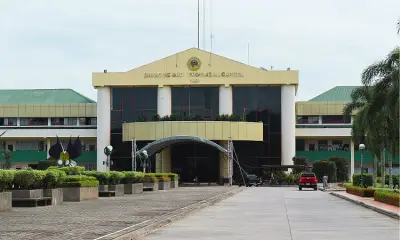
Former Justice Secretary Appeals to Supreme Court Over ICC Extradition Process
Former Department of Justice Secretary Vitaliano Aguirre II has formally appealed to the Supreme Court of the Philippines, urging a thorough review of the extradition process, particularly as it pertains to foreign courts like the International Criminal Court. In an exclusive interview with Bombo Radyo, Aguirre detailed his petition, which targets not only the international tribunal but also the nation's highest judicial body.
Supreme Court Rules on Extradition Proceedings
The Supreme Court recently issued guidelines outlining the procedures for hearing requests to extradite individuals to other countries. Aguirre believes these "Rules on Extradition Proceedings" must be strictly followed. He emphasized that before any accused person with an arrest warrant from a requesting state can be extradited, they must first undergo a judicial process within the Philippine courts.
Aguirre is seeking clarity from the Supreme Court, especially regarding cases involving the International Criminal Court. He argues that this will help accused individuals understand their rights as Filipino citizens facing potential extradition. "This is crucial for ensuring due process and protecting our constitutional safeguards," Aguirre stated during the interview.

Background: ICC Co-Perpetrator Allegations
Vitaliano Aguirre II served as Justice Secretary under the previous administration of former President Rodrigo Duterte. He is one of eight individuals named by the International Criminal Court as co-perpetrators with Duterte in a case involving crimes against humanity. Others named include Senator Bong Go, Senator Bato Dela Rosa, and former National Capital Region Police Chief Oscar Albayalde.
Despite these allegations, Aguirre has vehemently denied any involvement in the implementation of Duterte's controversial war on drugs. "I was not part of that campaign," he asserted, distancing himself from the actions that have drawn international scrutiny.
Legal and Political Implications
This appeal highlights ongoing tensions between Philippine sovereignty and international judicial bodies. The Supreme Court's response could set a significant precedent for how extradition requests, particularly from the ICC, are handled in the future. Legal experts note that the outcome may influence the country's stance on human rights and international cooperation.
The case continues to unfold, with Aguirre's appeal marking a pivotal moment in the broader narrative of accountability and legal process in the Philippines.