A barangay captain in Mandaue City is set to face formal proceedings before the Land Transportation Office (LTO) in Region 7 following a traffic violation, in a move that underscores the principle that the law applies to everyone.
Clarification and Official Summons
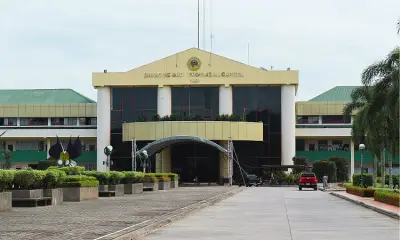
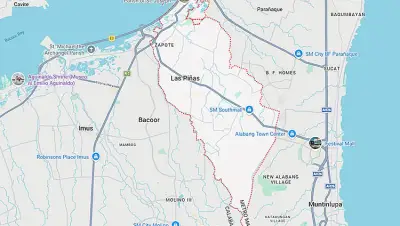
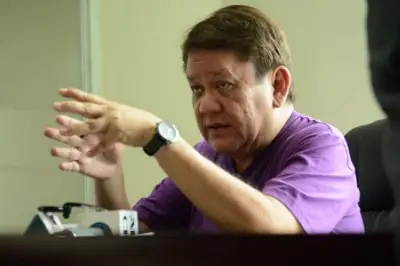
Felipe Diano, the captain of Barangay Basak in Mandaue City, has been formally directed by LTO 7 to appear before its Operations Division on N. Bacalso Avenue this Friday, January 9, 2026. This clarification corrects an earlier editorial which mistakenly identified his jurisdiction as Lapu-Lapu City.
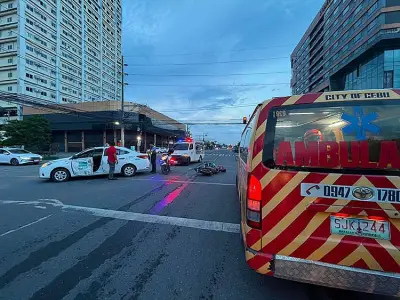
The agency issued a show cause order, compelling Captain Diano to explain why he was operating a motorcycle without wearing a protective helmet. This is not a mere formality but a serious step in the legal process where he must provide a substantial justification for his actions.

Immediate Consequences and Uncommon Accountability
Concurrent with the summons, LTO Regional Director Glen G. Galario has imposed a 90-day preventive suspension on Diano's driver's license. Furthermore, the registration of his motorcycle has been placed under "alarm status" within the LTO system.
Despite this legal pressure, Captain Diano's subsequent actions have been noted for their rarity. In a culture where some might leverage influence to avoid penalties, he chose to follow the standard procedure. He publicly acknowledged his fault, apologized to his constituents and to Mandaue City Mayor Thadeo Jovito "Jonkie" Ouano, and promptly paid the corresponding fine.
His cited reason—an emergency situation involving a fire threat to his light-material house—was a personal circumstance he felt compelled him to rush home, an explanation many can relate to.
Broader Lessons for Society
This incident presents two critical lessons for Philippine society. First, for those in power: a public position is not a shield or a free pass against traffic laws. As elected community leaders, their actions are under constant public scrutiny. They must be the primary examples of law compliance to have the moral authority to discipline their constituents. If a leader disregards a helmet law, how can the youth and ordinary citizens be expected to follow it?
Second, for law enforcers like the LTO: the swift action to call a barangay official to account sends a powerful message about the agency's seriousness in its road safety campaign. It fosters public hope that Philippine laws, despite a often slow justice system, can be applied fairly and without favor.
The case of Captain Diano thus becomes a test case for accountability and equality before the law, highlighting both the consequences of violation and the value of responsible leadership in accepting them.