The Cebu City Council is now reviewing a groundbreaking proposal designed to protect the rights and dignity of residents forced from their homes by disasters or government clearing operations. The ordinance, titled "Dignity to the Displaced," seeks to establish a formal, rights-based system for managing displacement within the city.
A Framework for Humane Treatment and Aid
Authored by Councilor Mikel Rama, the proposed measure aims to address recurring problems witnessed during emergencies like Typhoon Tino on November 4, 2025. It mandates the creation of a multi-agency Task Force Dignidad, which will be chaired by the Office of the City Mayor. Key members include the Department of Social Welfare Services (DSWS), the Cebu City Disaster Risk Reduction and Management Office (CCDRRMO), and the Division for the Welfare of the Urban Poor (DWUP).
A core component is the provision of mandatory transitional financial assistance to families whose homes are destroyed or demolished. This aid is intended to cover costs for temporary rent, transportation, and immediate livelihood needs. To ensure organized help, the DSWS will maintain an official Displaced Persons Registry to identify beneficiaries and streamline aid distribution.

Setting Minimum Standards for Shelters
The ordinance sets clear, humane standards for evacuation centers and transitional shelters to prevent overcrowding and sanitation issues. These standards include:
- A minimum space of 1.5 square meters per person for short-term stays and 3.5 square meters for long-term displacement.
- Gender-segregated toilets at a ratio of one for every 20 evacuees.
- Designated health stations, proper ventilation, lighting, and lockable doors for safety.
- Accessibility features like ramps and handrails for persons with disabilities and senior citizens.
- Private breastfeeding stations and priority assistance for women, children, pregnant evacuees, and the elderly.
Structured Response and Long-Term Solutions
For clearing operations in danger zones, the proposal requires a 30-day written notice, community consultations, and the presence of city officials during the activities. The CCDRRMO will lead disaster response and manage transitional shelters, while the DWUP will focus on identifying at-risk families and managing long-term permanent resettlement plans.
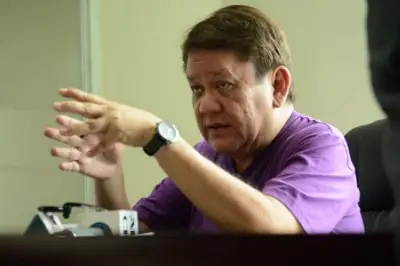
In his explanatory note, Councilor Rama highlighted that evacuees are often forced to return to unsafe areas once temporary shelters close, underscoring the need for a structured, long-term policy. "Above all, it affirms that while displacement may at times be unavoidable, the dignity of the displaced must always be protected," Rama stated.
Funding for the program will come from the Local Disaster Risk Reduction and Management Fund, while transitional aid and resettlement will be charged against the city's General Fund and Socialized Housing Fund. The proposed measure has been referred to the Committee on Laws, Ordinances, and Styling for review.
Meanwhile, Mayor Nestor Archival noted in a December 22, 2025 press conference that at least 370 evacuees from barangays Bacayan and Talamban, heavily hit by Typhoon Tino, are planned for relocation to temporary sites in barangays Budlaan and Talamban.