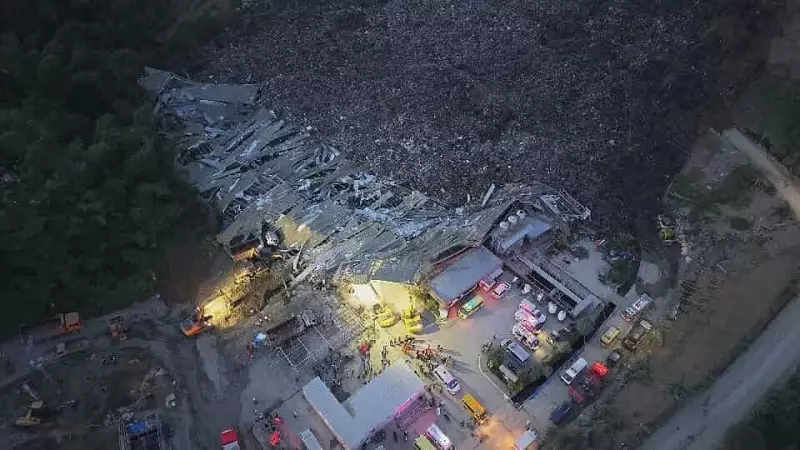
The recent deadly collapse of the Binaliw landfill has forced Cebu City to postpone a critical environmental policy, creating a complex dilemma for local leaders. While the disaster underscores the urgent need for waste management reform, the immediate infrastructure crisis has made implementing new rules impossible.
Policy Postponed Amid Crisis
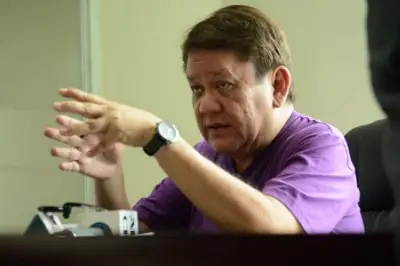
Cebu City Mayor Nestor Archival confirmed on Sunday, January 11, 2026, that the city is delaying the full enforcement of its "no segregation, no collection" policy. Originally scheduled to start on February 1, the policy is now on hold. This decision comes directly after the January 8 landslide at the Binaliw landfill, which killed six people, left 31 missing, and crippled garbage disposal operations across Metro Cebu.
Mayor Archival explained that the deferment addresses pressing logistical and humanitarian concerns. The city is also preparing for a significant increase in garbage volume during the upcoming Sinulog 2026 festivities. He stressed that the delay is temporary and necessary to stabilize basic waste collection services during the emergency.

The Financial Imperative for Reform
The postponement occurs while Cebu City faces severe budget constraints. The push for better waste management is driven by economic reality as much as environmental law. Archival revealed that the city collects about P100 million annually in garbage fees, but spends between P550 million to P600 million on waste-related services.
With a large portion of the budget dedicated to social services, efficient waste management is seen as a key to controlling costs. The landfill disaster has strengthened the city's resolve to eventually enforce the Ecological Solid Waste Management Act. Officials plan to use this pause to reorganize collection systems that were severed when the landfill collapsed.
Regional Ripple Effects and Public Health Risk
The crisis has impacted neighboring cities. Mandaue City Mayor Thadeo Jovito "Jonkie" Ouano opened a temporary garbage transfer station in Barangay Umapad on January 10. Mandaue is now diverting biodegradable waste to a learning park for composting and sending recyclables to a facility in Consolacion.
The situation poses a serious public health threat, especially with thousands of visitors expected for Sinulog. Without a functioning landfill, the burden shifts to temporary stations and households themselves. Residents are urged to minimize waste as the government works to maintain collection routes.
The Path Forward
Cebu City plans a "carrots and sticks" strategy when the policy is implemented, combining penalties with incentives. The new timeline for full enforcement could extend to mid- or late February, depending on the situation at the Binaliw landslide site.
Mayor Archival remains firm on the policy's goal. "If waste is segregated properly, it goes to where it belongs," he said, connecting the disaster directly to the need for reform. The success of the policy will now depend on how effectively the city manages the transition from disaster response back to long-term regulatory enforcement.