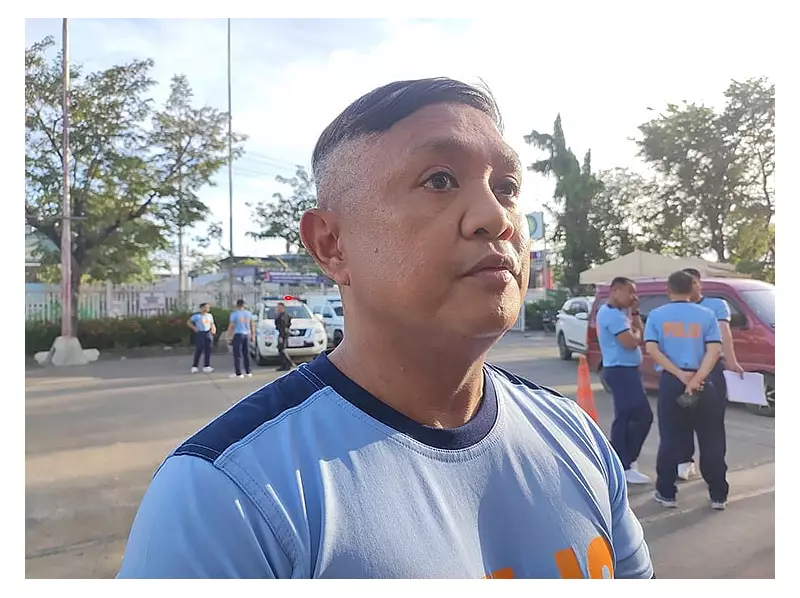
The Mandaue City Police Office (MCPO) has taken proactive steps to ensure the safety of one of Cebu's most significant religious events. On Tuesday, January 6, 2026, the police force conducted a comprehensive simulation exercise and dry run in preparation for the upcoming Traslacion scheduled for January 15 and 16.
Coordinated Security and Logistics Planning
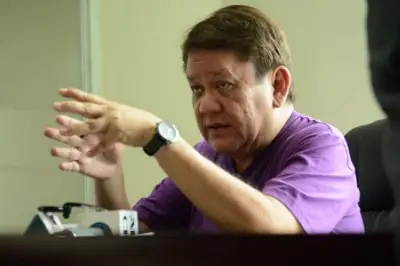
According to Police Colonel Cirilo Acosta, the city director of the MCPO, the activity was designed to guarantee the safe and orderly transfer of the revered images of Señor Sto. Niño, Virgen de Guadalupe, and San Jose. Acosta emphasized that the simulation was crucial for final preparations before receiving the holy images. The MCPO did not work in isolation; it coordinated closely with a network of government and partner agencies to cover all bases.
Key partners included the Philippine National Police, Bureau of Fire Protection, Traffic Enforcement Agency of Mandaue (TEAM), City Disaster Risk Reduction and Management Office (CDRRMO), Sinulog Foundation, and the staff of the National Shrine of St. Joseph. Team leaders from these groups personally inspected the designated turnover areas and the entire procession route. The goal was to identify any potential security gaps, logistical hurdles, or physical hazards that could disrupt the solemn event.

Identifying and Addressing Potential Issues
"We personally visited the turnover areas and the routes to check if there are any deficiencies so we still have time to correct our deployment," Colonel Acosta explained. The inspection was thorough, assessing the condition of roads, looking for dangling wires, and noting other possible dangers to the public and the convoy.
Based on the dry run, authorities estimated that the convoy's travel time from Innodata Subangdaku—located at the boundary of Mandaue and Cebu City—to the National Shrine of St. Joseph would be approximately 15 to 20 minutes. This estimate, however, is dependent on the volume of devotees lining the streets on the actual day.
While the overall assessment was positive, the exercise revealed some minor issues requiring attention. Accumulated garbage and illegally parked vehicles were spotted along the route. Some of the obstructing vehicles were even clamped during the operation. Acosta assured the public that these issues would be resolved before the main event. "On the actual day, we will make sure the roads are clear so the convoy can pass smoothly," he stated.
Public Appeal and Final Preparations
Colonel Acosta also made a direct appeal to the public for cooperation. He requested that devotees respect the integrity of the convoy during the procession. "If the convoy is composed of ten vehicles, it should remain ten. No one should enter the convoy because it may cause delays and disrupt the entire process," he urged. This measure is vital for maintaining the schedule and security of the religious transfer.
For the Traslacion itself, a significant security force will be mobilized. Acosta confirmed that a total of 1,050 personnel from the MCPO and other enforcement agencies will be deployed. This number includes barangay security officers and criminology students. Security personnel will remain on standby until the send-off ceremonies are completed, with a 24/7 police presence established at the church.
The preparations are not over. Acosta confirmed that another major dry run is scheduled for Friday, January 9, 2026. This final simulation will cover the route extending from Cebu City to Lapu-Lapu City, ensuring seamless coordination across jurisdictions for the successful and peaceful conduct of the Traslacion.