The Mandaue City Disaster Risk Reduction and Management Office (MCDRRMO) is significantly boosting its preparations and inter-agency coordination to ensure the safety of the massive crowds expected for the upcoming Traslacion and fluvial procession in honor of the Santo Niño.
Multi-Agency Coordination in Full Swing
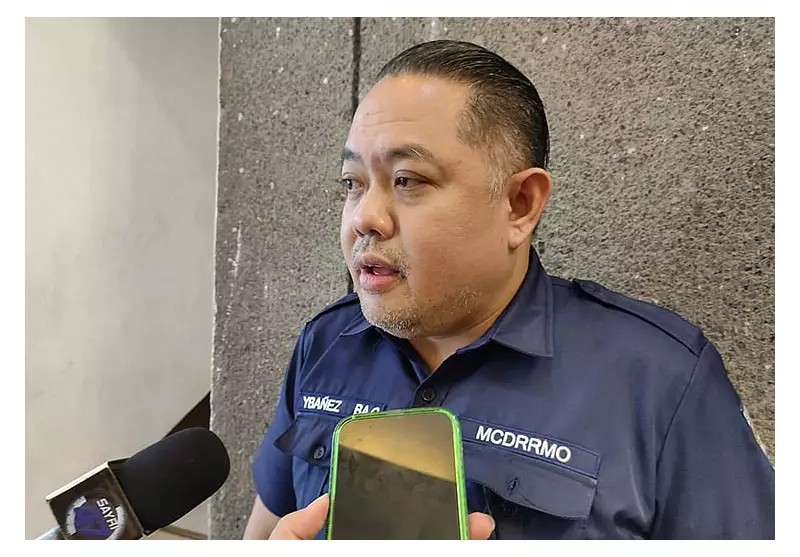
According to MCDRRMO head Buddy Allain Ybañez, a series of crucial planning meetings have already taken place. Key stakeholders including Cebu City officials, the Basilica del Santo Niño, the Philippine Coast Guard, and the Mandaue City Police Office (MCPO) have convened to map out security and logistical plans for the major religious events.
Ybañez emphasized that the operation extends far beyond the police force. The Bureau of Fire Protection, the MCDRRMO itself, and all involved barangays are integral parts of the safety network. Specifically, on the afternoon of January 7, 2026, the MCDRRMO met with barangay disaster risk reduction and management focal persons who will act as crucial backup along the procession route and viewing areas.

Extended Deployment and Medical Readiness
This year's preparations feature a notable change in strategy due to an adjusted schedule. Unlike previous years where the image of the Santo Niño was transported to Lapu-Lapu City by midnight, it will now stay overnight in Mandaue. The Traslacion is set for 5 a.m. the day after a 9 a.m. Mass.
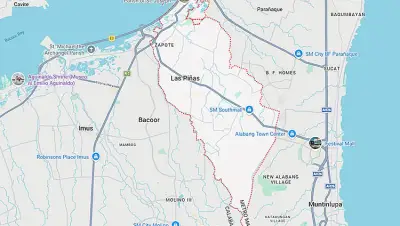
This extension necessitates a longer, more robust deployment. Ybañez confirmed a 24/7 security and monitoring operation along the entire Traslacion route, which will stretch from Innodata in Subangdaku to the National Shrine of St. Joseph. Personnel will begin positioning themselves from 6 a.m., with rounds conducted every 30 minutes by MCDRRMO staff, medical teams, and barangay responders.
In terms of manpower, while the Philippine National Police's final numbers are pending, the MCDRRMO will field approximately 105 of its own responders. Medical stations will be established at the National Shrine of St. Joseph to handle the anticipated large crowds, with barangay emergency teams working in four-hour shifts to provide continuous assistance.
Heat and Crowd Management Top Concerns
Officials are particularly alert to the dangers of extreme heat, which caused numerous devotees to collapse during last year's event. The period between 11 a.m. and 3 p.m. is considered high-risk, prompting calls for extra caution.
Crowds are expected to swell from late afternoon onwards, with a significant overnight presence anticipated as devotees wait for the 6 a.m. Traslacion from Mandaue to Lapu-Lapu City. This round-the-clock vigil underscores the need for the comprehensive, 24-hour safety plan now being finalized by Mandaue City's disaster management team.