In a powerful display of reconciliation, two families locked in a long-standing conflict in the province of Sulu have officially ended their feud. The peace agreement, a significant milestone for the community, was forged last week in the town of Indanan.
Local Government and Military Broker Historic Deal
The successful mediation was a joint initiative spearheaded by Indanan Mayor Albakil Jikiri and Lieutenant Colonel Samuel Bayongasan, commander of the Philippine Army's 100th Infantry Battalion (100IB). While the military did not publicly name the families involved, they confirmed the groups hail from the villages of Katian and Tumantangis in Indanan municipality.
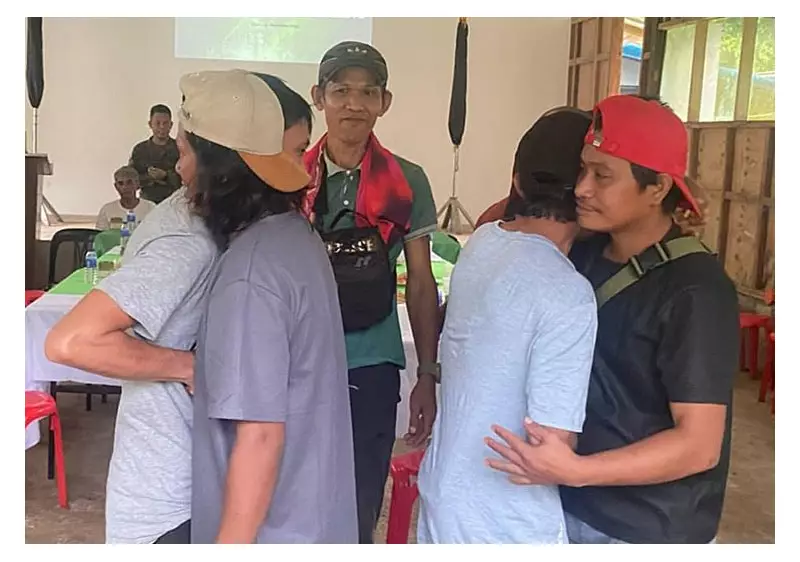
Representing Mayor Jikiri during the formal signing ceremony was Indanan Officer-in-Charge Franco Asiri. The event saw members of the formerly warring families embrace, symbolizing their commitment to a new chapter of unity.

A Testament to Dialogue Over Conflict
In a statement, Lt. Col. Bayongasan emphasized the core principles behind the breakthrough. "The initiative highlighted the strong commitment of the local government and security sector to resolving disputes through dialogue and peaceful means," he stated. He further noted that "strong and resilient communities are built on trust and open communication."
The colonel hailed the settlement as concrete proof of the power of unity and constructive conversation in maintaining stability within communities. This approach marks a strategic shift towards addressing local conflicts at their root, preventing escalation and fostering sustainable peace.
Implications for Community Stability
This peace pact is more than just a document; it represents a tangible step toward healing and security for the residents of Indanan. By resolving familial conflicts that often destabilize areas, local authorities and the military aim to create a more secure environment conducive to development.
The collaboration between the Municipal Government of Indanan and the 100th Infantry Battalion sets a precedent for other conflict-affected areas in Sulu and beyond. It demonstrates that persistent, dialogue-focused efforts led by local stakeholders can successfully transform hostility into harmony.