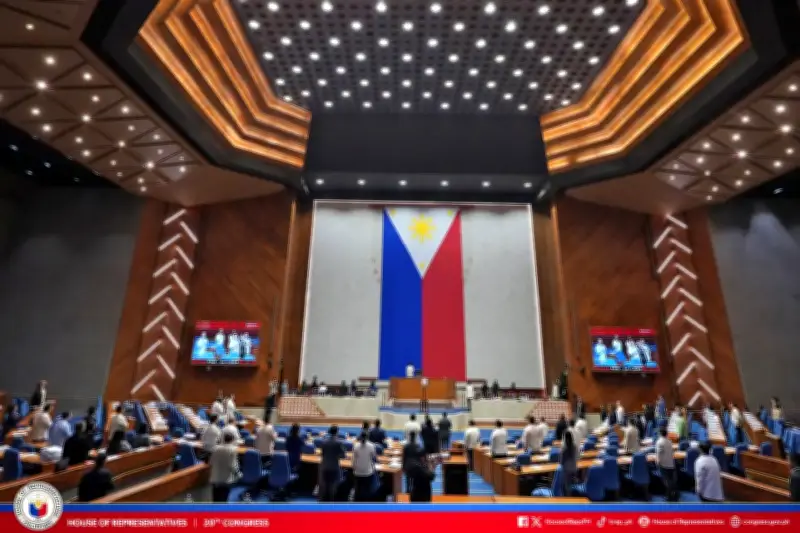
A top leader in the House of Representatives has defended the chamber's version of the anti-political dynasty bill, calling it realistic and a good first step that previous Congresses failed to achieve. Deputy Speaker and La Union Representative Paolo Ortega said the version is acceptable to the majority of lawmakers.
Bill Aims for 2028 Implementation
The measure aims to have the law in place by the 2028 elections to demonstrate the House's serious intent. Ortega acknowledged that many have criticized the limited scope of the bill but emphasized that it represents a significant sacrifice, as nearly 80 percent of House members come from political families, including his own in La Union.
Scope of the Ban
Under the proposal, relatives up to the second degree of consanguinity or affinity—such as children or grandchildren—would be prohibited from running in the same cluster or area as an incumbent official. It would also significantly affect siblings currently serving in the Senate.

Ortega explained that the bill will still go through the Senate and a bicameral conference committee, where it can be further improved and amended. Earlier, House Majority Leader Sandro stated that criticisms of the House's anti-political dynasty bill are legitimate, but the current version is the result of compromise to secure sufficient support from lawmakers.
Compromise to Secure Votes
According to Marcos, based on consultations with party leaders, the measure could lose enough votes if its provisions were made stricter. He also admitted that many House members belong to political dynasties.