Political Shockwaves as Senator Imee Marcos Confronts Brother President
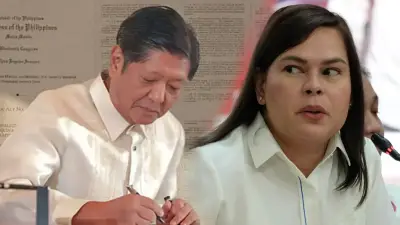
The Philippine political landscape experienced an unprecedented shock on November 24, 2025, when Senator Imee Marcos launched a stunning public attack against her own brother, President Ferdinand "Bongbong" Marcos Jr. The dramatic confrontation occurred during an Iglesia ni Cristo rally, where the senator's sharp criticisms reverberated through the nation's already tense political atmosphere.
Filipinos witnessed an extraordinary break from tradition as Senator Marcos delivered her pointed remarks with serious conviction and undeniable gravity. The intensity of her rhetoric left observers stunned, particularly given the historical emphasis on family unity within political dynasties. Her words cut through the sweltering heat of the rally, creating immediate ripples across the archipelago.
Fractured Family Bonds and Political Implications
The sibling relationship that has long served as the foundation of the Marcos family's political strength now appears dangerously compromised. This public fissure exposes unexpected vulnerabilities within a dynasty typically perceived as unified and politically invincible. The implications extend far beyond personal family dynamics, raising fundamental questions about the future cohesion of the current administration.

Political analysts immediately began examining the deeper significance of Senator Marcos's actions. The long-standing tradition of family loyalty that has characterized Philippine governance for decades faces its most serious challenge. As whispers of division grow louder, concerns about leadership stability at the highest levels of government intensify.
The timing and platform choice for this confrontation suggest careful strategic planning rather than spontaneous emotional outburst. Senator Imee Marcos utilized the high-profile Iglesia ni Cristo gathering to maximum effect, delivering precisely calibrated accusations that reflect her extensive political experience.
International Reactions and Domestic Consequences
The international community closely monitors these domestic developments, with foreign governments and investors reassessing their positions regarding the Philippines. Every public display of leadership discord triggers speculation that can influence diplomatic relations and economic confidence. Regional partners may adjust their commitments based on perceived instability within the Philippine government.
Domestically, opposition figures view this rupture as both opportunity and warning. The previously impenetrable wall of executive power now shows visible cracks, providing dissenting voices with unexpected openings. Senator Imee's speeches effectively serve as a rallying cry for those opposing the current regime, potentially enabling significant realignment in the country's political landscape.
Speculation about Senator Marcos's motivations includes the possibility of positioning herself as Sara Duterte's vice presidential candidate in the 2028 elections. Some political observers suggest Vice President Duterte might be orchestrating these developments behind the scenes, drawing parallels to her previous political maneuvers involving former Senate President Chiz Escudero.
President Marcos now faces the delicate challenge of responding to his sister's public criticism while maintaining both personal dignity and presidential authority. His reaction will establish critical precedents for his administration's future direction and the Marcos family's political legacy. The president must navigate between familial bonds and national responsibilities with exceptional care and determination.
This extraordinary public confrontation between the Marcos siblings represents more than just family drama. It reveals fundamental divisions within Philippine society and governance structures. As the nation processes this remarkable political spectacle, the future appears increasingly uncertain, with divisions that may prove difficult to heal.