After a powerful typhoon cuts off essential services, the last thing a family expects is a bill for something they never received. This is the stark reality now facing numerous residents in Cebu City, sparking a major political push to reform how utilities charge customers during disasters.
Councilor Files Resolution for Fair Billing
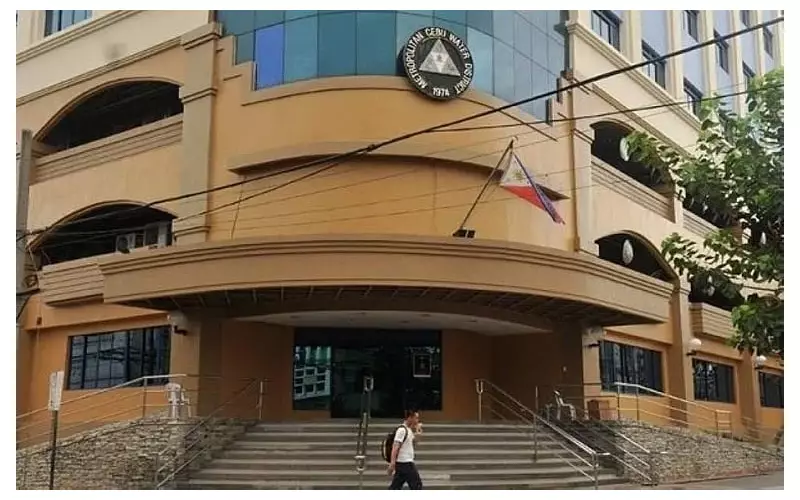
On January 5, 2026, Cebu City Councilor Harold Go took decisive action by filing a resolution. He is urging the Metropolitan Cebu Water District (MCWD) to overhaul its billing practices in the wake of Typhoon Tino (Kalmaegi). The move comes as a direct response to a flood of complaints from consumers who opened their bills to find charges for water that never flowed from their taps during the storm's aftermath.
Go's resolution highlights specific cases where households were billed hundreds of pesos. These charges included fixed fees and franchise taxes, even though their water meters clearly registered zero consumption. The councilor is calling for two key changes:

- A suspension of all minimum charges during periods when the water supply fails.
- A guarantee that billing statements reflect only the actual volume of water delivered to a home.
The Root Cause: Typhoon Tino's Extended Impact
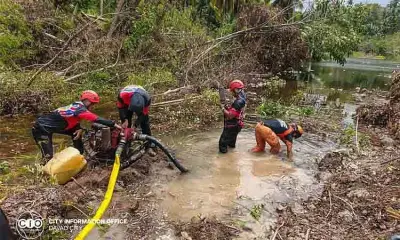
The current financial dispute is a direct consequence of the severe infrastructural damage caused by Typhoon Tino in late 2025. The storm crippled the water distribution network, and MCWD needed nearly a month to restore its production capacity.
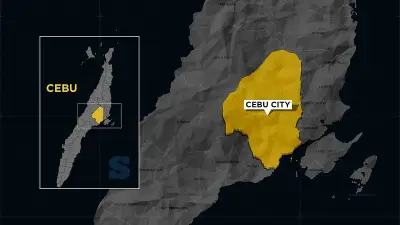
The utility grappled with shattered pipelines, damaged pumping stations, and a reliance on a fractured power grid. This lengthy restoration period left a vast portion of its service area without running water for weeks. The affected areas include:
- Cebu City
- Mandaue City
- Lapu-Lapu City
- Talisay City
- The towns of Consolacion, Liloan, Compostela, and Cordova
While the physical repairs are largely complete, the bureaucratic fallout from that period of scarcity is now creating a secondary crisis for consumers' wallets.
Financial Strain on Recovering Families
For affected residents, the issue transcends inconvenience; it is a matter of financial fairness. Being charged for a service that was completely unavailable adds economic insult to injury for households already struggling to recover from a major typhoon.
Councilor Go pointed to a concrete example: a consumer in Sitio Mahayahay, Barangay Apas, Cebu City received a bill for November 2025 totaling P740.03. The breakdown was particularly galling:
- P235.60 for water (despite zero use)
- P4.71 as a franchise tax
- P500.00 as an adjustment rate system cost
On his Facebook page, Go framed the issue in clear terms, writing in Cebuano: "Dili pwede nga walay tubig, pero naa'y singil. Ang bayad, dapat patas ug makatarungan." (It cannot be that there is no water, but there is a charge. Payment must be fair and reasonable.) He argues the current system forces the public to subsidize a broken service.
As of January 9, 2026, MCWD has not issued a formal public statement responding to the resolution. However, the utility faces its own balancing act. It requires revenue to fund expensive repairs and maintain its network, yet it must also address the loud and justified public demand for relief.
The Cebu City Council now seeks a formal commitment from MCWD to update its policies. The outcome of this dispute could set a critical precedent for how all utility providers in the region handle billing during future natural disasters. Observers are watching to see if the water district will issue rebates for the post-typhoon period or implement a permanent policy change to account for service outages. As Cebu continues its recovery, this billing controversy serves as a crucial test of public accountability in a crisis.