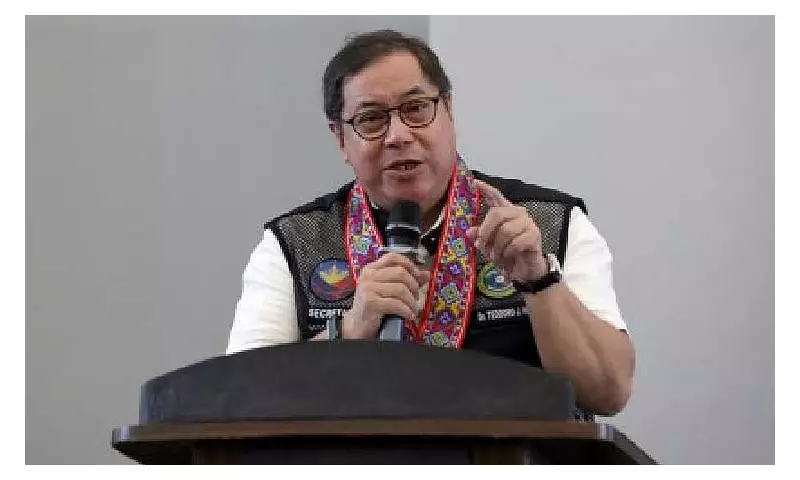
The Department of Health (DOH) is set to bring its landmark Zero Balance Billing (ZBB) initiative to hospitals run by local government units (LGUs), backed by a substantial P1 billion allocation from the 2026 General Appropriations Act (GAA). This major expansion, announced by Health Secretary Teodoro "Ted" Herbosa, aims to significantly reduce out-of-pocket expenses for Filipinos seeking care at participating LGU facilities.
Progressive Rollout for LGU Hospitals
During a press conference, Secretary Herbosa confirmed that the ZBB program, first implemented in DOH hospitals, will now extend its coverage to LGU health facilities. "With this budget, patient costs for basic accommodation in select LGU hospitals will be P0.00," Herbosa stated. This means qualified patients will not pay for basic room and board in these hospitals.
However, Herbosa acknowledged that the current funding is insufficient for nationwide coverage all at once. "We will do it progressively. We will not have a fixed number outright," he explained. The DOH will create guidelines to ensure the ZBB budget for LGU hospitals is used strategically and not exhausted prematurely.

The expansion will prioritize Level 3 LGU hospitals, which provide advanced tertiary care, and Level 2 hospitals aspiring to achieve Level 3 status. "This is our way to encourage LGUs to make their hospitals better," Herbosa noted, linking the program to incentivizing improvements in local healthcare infrastructure.
End of the Guarantee Letter Era
In a related and significant policy shift, Herbosa declared the end of the requirement for "guarantee letters" (GLs) from politicians for patients seeking government medical assistance. He assured the public that this practice is now abolished.
"Politicians can no longer interfere with the utilization of the Medical Assistance to Indigent and Financially Incapacitated Patients (MAIFIP) Program. The DOH will now manage the MAIFIP funds," Herbosa emphasized. He stated clearly that soliciting or requiring guarantee letters from elected officials is now illegal.
"There are no more guarantee letters. That will be a violation of the law. It is forbidden for elected officials to interfere in the use of the funds. You just need to be sick, ask for help, and we will help you," he added. This move aims to depoliticize access to medical aid and streamline the process for indigent patients.
New Pathways for Medical Assistance
While the DOH is still finalizing the new guidelines for MAIFIP access, Herbosa revealed they are considering deploying social workers in hospitals to assess patients and determine if they should be referred to the DOH for assistance.
For now, he directed the public to access the MAIFIP program through DOH hospitals and regional offices. "The people should now go there to seek assistance," Herbosa said, marking a clear change from the old system where constituents had to seek endorsements from their local officials.
The combined reforms of expanding the Zero Balance Billing program and eliminating political guarantee letters represent a substantial step toward making healthcare more accessible and equitable for all Filipinos, directly managed by the national health agency.