The Sugar Regulatory Administration (SRA) has officially transferred P27 million worth of advanced farm mechanization machinery and equipment to multiple sugarcane organizations across the Philippines. This significant initiative aims to modernize agricultural practices and address critical challenges facing the sugar industry.
Mechanization as a Necessity for Survival
SRA Administrator and CEO Pablo Luis Azcona emphasized that mechanization is no longer a luxury but an absolute necessity for survival in today's competitive sugarcane economy. The ceremonial turnover event took place at the La Granja Agricultural Research and Extension Center (LGAREC) compound, serving as a cornerstone of the SRA's comprehensive Soil Rejuvenation Program.
Addressing Soil Health and Production Costs
This program specifically targets declining soil health and escalating production costs by equipping farmers with the logistical capabilities needed to implement sustainable farming practices. The approach focuses on maximizing and utilizing sugar mill wastes to enhance soil fertility naturally.

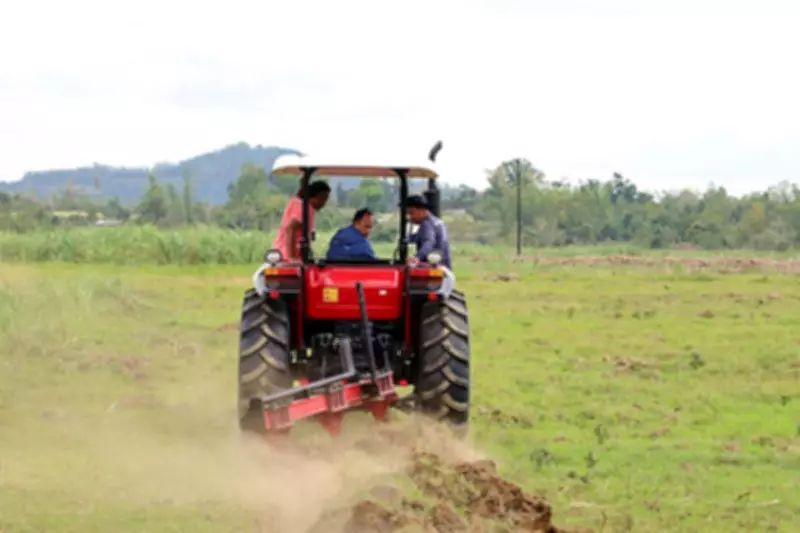
Azcona detailed that the grant includes heavy-duty vehicles and tractors designed to improve hauling efficiency, streamline field preparation, and facilitate large-scale transport of soil amendments and essential farm inputs. The distribution encompasses five units of dump trucks allocated to five key organizations: Iloilo Mill District Development Council Inc., Capiz Mill District Development Council Foundation Inc., New Namangka Farmers Association in Mabinay, Negros Oriental, Norphil Farmers Multi-Purpose Cooperative in Piat, Cagayan, and Sugarcane Growers Association of Bukidnon Inc.
Additional Equipment for Specific Groups
Furthermore, the Cabungbungan Lingahob Farmers Association received one unit of a hauling truck, while the Northern Negros Sugar Development Council Inc. obtained a comprehensive package consisting of one hauling truck and one farm tractor equipped with complete implements.
Vision for a New Era of Efficiency
"Our goal is to bring the Philippine sugar industry into a new era of efficiency," declared Azcona. "By providing these machineries, we are directly reducing the physical and financial burden on our farmers. This equipment will allow our partners to implement soil rejuvenation techniques at scale, ensuring that our sugarcane fields remain productive for the next generation of sugar farmers."
Scientific Backing of Mechanization Efforts
Dr. Ma. Lourdes C. Almodiente, Deputy Administrator II for Research Development and Extension, highlighted the scientific importance of the grant, stressing that mechanization forms the backbone of the agency's extension efforts. "These tractors and trucks are not just vehicles, they are tools for soil rejuvenation. It will enable the proper application of organic amendments and the timely execution of farm activities, which are critical to reversing soil degradation and thereby improving sugarcane productivity," Almodiente explained.
The event attracted SRA key leaders, including Mill District Officers and technical personnel from across the nation, representing the districts that benefited from the grants.
Empowering the Grassroots Level
David Andrew Sanson, Board Member-Planters' representative, affirmed that the grants will have a direct impact at the grassroots level, empowering the sugarcane planting community. "This is a win for our planters. Access to this level of machinery empowers our farmers to be more independent and cost-effective," Sanson stated. "We are committed to ensuring that the voices of the planters are heard and that the resources of the SRA are utilized to make farming a more viable and profitable livelihood for everyone involved."
Future Grants and Sustainable Focus
Azcona announced that more grants are forthcoming, noting the integration of modern machinery with traditional soil science. He revealed that the SRA aims to reduce the industry's heavy reliance on chemical fertilizers, focusing instead on restoring the natural fertility of the soil through the utilization of sugar mill wastes. This strategy is designed to ensure a resilient and sustainable sugarcane sector for years to come.