The Philippines is bracing for a severe fuel price shock, with diesel expected to surge past P130 per liter and gasoline crossing the P100 per liter threshold, as the ongoing conflict in the Middle East continues to disrupt global oil markets. According to data released by the Department of Energy on Tuesday, March 24, 2026, the agency forecasts significant increases across all fuel types, highlighting a deepening crisis that threatens to impact consumers and businesses nationwide.
Projected Price Hikes and Current Ranges
Based on the Department of Energy's estimates, diesel prices are set to rise by P15 to P18 per liter, gasoline by P8 to P12 per liter, and kerosene by P12 to P22 per liter. This comes after prices from March 17 to 23 ranged from P92 to P126 per liter for diesel, P74 to P100 per liter for gasoline, and P100 to P144 per liter for kerosene. With the anticipated increases this week, pump prices could reach:
- Diesel: P107 to P144 per liter
- Gasoline: P82 to P112 per liter
- Kerosene: P111 to P165 per liter
Energy Secretary Sharon Garin confirmed that these spikes are directly attributed to the persistent conflict in the Middle East, which has destabilized oil supplies and driven up costs globally.

Factors Driving Higher Fuel Costs in the Philippines
Secretary Garin outlined several key reasons why fuel prices in the Philippines are notably higher compared to other Asian nations, despite the widespread nature of the oil crisis. First, many countries implement subsidies, where governments offset part of the cost at gas stations to keep consumer prices lower. Garin cited Thailand, Malaysia, and Indonesia as examples of nations with such subsidy systems in place.
Second, the Philippines lacks indigenous oil sources, relying heavily on imports for about 99% of its fuel needs. This dependency means the country has little control over supply and pricing, as Garin emphasized, exacerbating vulnerability during global disruptions.
Additionally, Garin noted that the oil industry in the Philippines operates under the Oil Deregulation Law, making it largely unregulated. She pointed out that only competition among companies can potentially drive prices down, but this mechanism is strained during supply shortages.
Government Response and Supply Concerns
As of March 20, 2026, the country's fuel supply is estimated to last up to 45 days. In response to the crisis, the government is actively working on procuring two million barrels of diesel, valued at approximately P20 billion, to extend the existing supply by an additional 10 days. This move aims to bolster reserves amid fears of shortages.
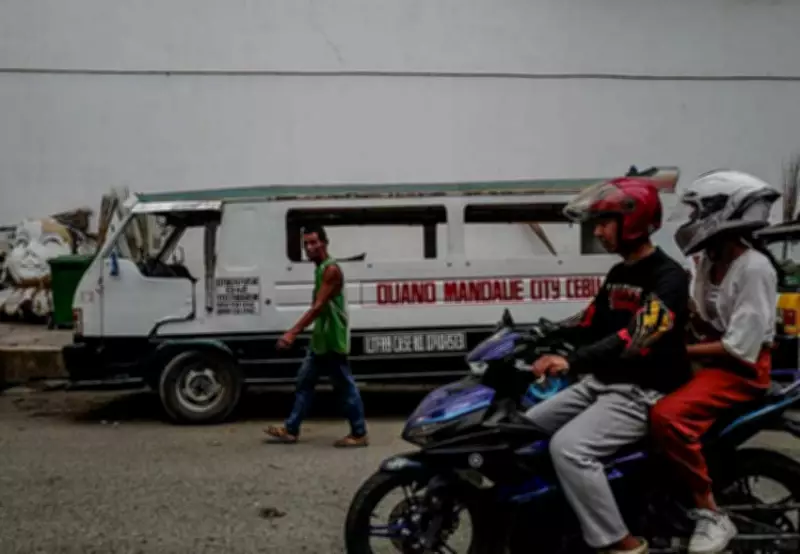
Garin also appealed to the public to conserve fuel and avoid hoarding, warning that panic-buying could further strain the national supply chain. The situation has already led to over 400 gas stations ceasing operations, and local measures, such as Cebu City cutting fuel for barangay vehicles as diesel prices near P100 per liter, underscore the widespread impact.
Broader Implications and Outlook
The escalating fuel prices are poised to ripple through the economy, affecting transportation costs, agricultural operations, and everyday living expenses. With no immediate resolution to the Middle East conflict in sight, experts warn that the Philippines may face prolonged volatility in energy markets. The government's efforts to secure additional supplies and promote conservation are critical steps, but long-term solutions, such as exploring alternative energy sources or regulatory adjustments, may be necessary to mitigate future crises.
As the nation navigates this challenging period, stakeholders are urged to stay informed and adopt fuel-efficient practices to help alleviate pressure on the system.