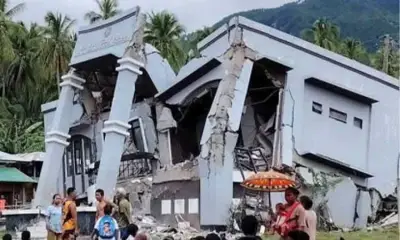
The National Nutrition Council-Davao Region (NNC-Davao) has issued a reminder to donors, humanitarian groups, and relief volunteers to avoid distributing infant milk formula, powdered milk, and commercial baby food in communities affected by the magnitude 7.8 earthquake that struck Southern Mindanao on June 8. The council stressed that such donations could pose health risks to infants during emergencies.
Prohibition Under the Milk Code
Speaking on the sidelines of the Regional Nutrition Media Group meeting on June 15, Retsebeth M. Laquihon, Regional Nutrition Program Coordinator of NNC-Davao, emphasized that the distribution of breast milk substitutes during disasters is prohibited under Executive Order No. 51, also known as the Milk Code of the Philippines. “This is not safe in situations where there is limited supply of clean water for boiling or sterilization, and clean utensils,” Laquihon said.
Ongoing Earthquake Response
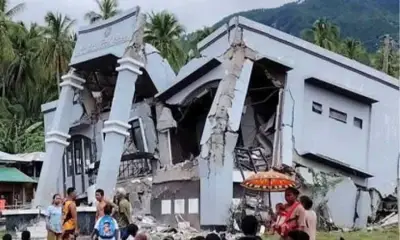
The warning comes as government agencies continue responding to the aftermath of the powerful earthquake that damaged homes, schools, government buildings, and critical infrastructure across Davao Occidental, Sarangani, and neighboring provinces. Relief operations remain ongoing in several affected municipalities, particularly in coastal and upland communities where access remains challenging.

Risks of Improper Preparation
NNC-Davao explained that powdered milk and commercial infant formula require safe water, proper sanitation, and sterilized feeding equipment. In emergency settings where clean water and hygienic conditions are often limited, improper preparation can expose infants to diarrhea, infections, and other potentially life-threatening illnesses.
International Guidelines
The council noted that the Philippines follows international guidelines established by the Department of Health, the World Health Organization (WHO), and UNICEF, which regulate the donation and use of breast milk substitutes during emergencies. These policies prioritize the protection of breastfeeding, which is considered the safest source of nutrition for infants during disasters.
Exceptions for Special Cases
While formula feeding is generally discouraged during emergencies, NNC clarified that exceptions may be made for infants who cannot be breastfed, including orphans, babies whose mothers are seriously ill, or those with specific medical conditions. In such cases, the provision of formula must be supervised by trained health professionals to ensure proper preparation, adequate supply, and continuous monitoring.
Malnutrition Concerns in Davao Occidental
The advisory carries particular significance in Davao Occidental, one of the provinces that has long struggled with malnutrition challenges. Regional nutrition data released in 2025 showed that Davao Occidental recorded the highest stunting rate in the Davao Region at 15.2 percent and also posted the highest prevalence of underweight children at 7.27 percent. Previous regional nutrition assessments likewise identified municipalities such as Jose Abad Santos among areas requiring intensified nutrition interventions.
Coordination and Monitoring
NNC-Davao said it is currently coordinating with local government units, health offices, disaster response clusters, and humanitarian organizations to ensure that nutrition-sensitive interventions are integrated into ongoing earthquake response efforts. The agency is also monitoring the nutritional condition of vulnerable groups, particularly infants, young children, pregnant women, and lactating mothers.
Call for Proper Coordination
The council urged donors to coordinate with government authorities before sending nutrition-related assistance to affected communities, emphasizing that protecting infant and young child feeding practices remains critical in preventing a secondary public health crisis in the wake of the disaster.
Compliance Essential
As relief operations continue across Southern Mindanao, NNC-Davao reiterated that compliance with the Milk Code and emergency nutrition protocols is essential to safeguarding the health and survival of the region’s youngest and most vulnerable survivors.