Philippine 'Chalk-Chomping Clam' Competes for Global Mollusc Honor
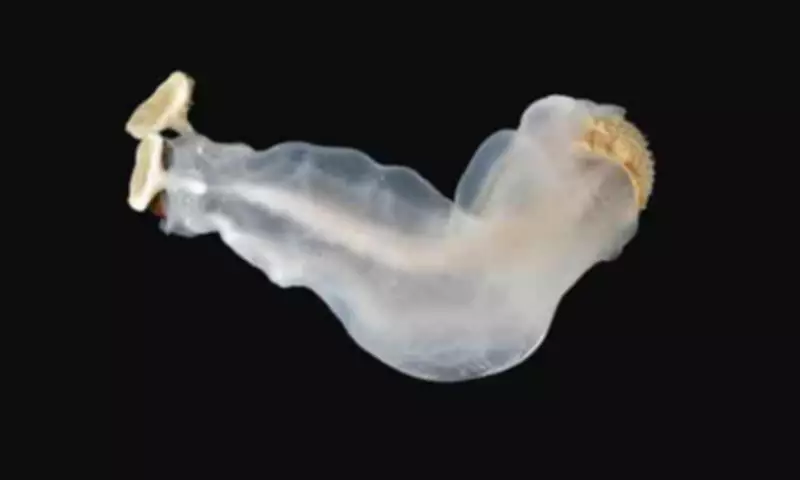
QUEZON CITY — The Philippines has secured a spot as a finalist in the prestigious International Mollusc of the Year competition, represented by the extraordinary and rare antingaw, scientifically named Lithoredo abatanica. This unique species, often called the "Philippine Chalk-Chomping Clam," stands out as one of the world's strangest molluscs, captivating scientists and conservationists alike.
A Shipworm Unlike Any Other
Despite its common name, the antingaw is actually a type of clam, belonging to the shipworm family. However, it defies typical shipworm characteristics by boring through limestone instead of wood. Evolution has shaped this creature with a long, fleshy body and two jagged shells on its head, which are specially adapted for cutting into stone. Unlike other shipworms that have small, sharp denticles, the antingaw boasts large, blunt denticles, enabling it to ingest limestone—a discovery detailed in a 2019 research paper that confirmed it as the first known freshwater invertebrate to burrow through rock by consuming it.
Exclusive Habitat and Scientific Significance
The antingaw is found exclusively in the Abatan River of Bohol, a fact proudly reflected in its scientific name, Lithoredo abatanica. This limited habitat underscores its rarity and ecological importance. The University of the Philippines Marine Science Institute (UP MSI) is at the forefront of research on this species, leading a campaign to secure its victory in the International Mollusc of the Year contest. The competition, organized by the Senckenberg Society for Nature Research, Senckenberg Ocean Species Alliance, and Unitas Malacologica, features finalists from Italy, Australia, Seychelles, and the United States, with results determined by public vote ending on April 26.

Biotechnological Potential and Ongoing Research
Winning the competition would grant the antingaw a complete genome sequencing, a crucial step for biotechnology development. UP MSI, supported by the Department of Science and Technology-National Research Council of the Philippines, is already exploring potential applications through the Tammiloc Project. This initiative investigates shipworms and their microbial symbionts, which may help unravel the mystery of how the antingaw derives nutrients from rock. Scientists hypothesize that symbiotic microorganisms in its gills could aid in breaking down its inorganic diet, similar to bacteria-assisted digestion in related species like the tamilok.
Public voting is essential for the antingaw's success, offering a chance to highlight Philippine biodiversity on a global stage. As the deadline approaches, enthusiasts are encouraged to participate and support this remarkable species in its quest for international recognition.