President Ferdinand "Bongbong" Marcos Jr. has formally enacted the country's spending plan for the coming year, approving a massive P6.793 trillion national budget. The signing of the General Appropriations Act (GAA) for 2026 took place on Monday, January 5, 2026, marking a crucial step in the government's fiscal planning.
Stricter Policies on Fund Releases
Following the budget's passage, the Department of Budget and Management (DBM) clarified on Friday, January 9, 2026, that President Marcos has instituted much tighter controls over how money is disbursed. The DBM emphasized that the era of automatic releases for certain budget items is over.
In a detailed statement, the budget agency explained that no item within the 2026 GAA will be released automatically or outside legal and fiscal rules. This strict policy applies especially to new programs and budgetary adjustments that lawmakers introduced during congressional hearings.

Conditional Implementation for Key Items
The DBM outlined that all funding increases and new budgetary items approved by Congress are now subject to conditional implementation. The actual release of pesos will depend on several critical factors:
- The national government's cash programming and availability of funds.
- Strict observance of prudent fiscal management principles.
- Full compliance with all budget execution rules and procedures.
- Final approval from President Marcos himself, based on the government's programmed priorities.
Specific budget lines identified for these special provisions include the Quick Response Fund (QRF), Engineering and Administrative Overhead Expenses, Payment of Retirement Benefits and Pensions, Capacity Development Programs, and Foreign Service Posts. Funds for these areas will only flow once every legal, procedural, and fiscal box has been checked.
Accountability and Performance Monitoring
The agency highlighted the President's clear directive that passing the budget is just the starting point. The real test, according to Malacañang, lies in disciplined execution and tangible accountability for results.
To this end, President Marcos has ordered the DBM to closely manage the impact of congressional adjustments on agency performance. Agencies that receive new items or increased appropriations will be formally notified of the changes. They will then be required to submit revised performance targets, directly linking any funding increases to measurable outputs and concrete results.
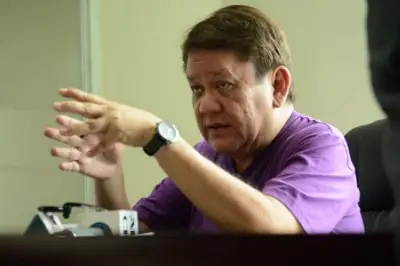
DBM Secretary Rolando Toledo underscored this commitment, stating in Filipino: "With full commitment, the DBM will ensure that this budget is managed with discipline, integrity, and clear purpose so that every peso is properly allocated and truly serves the Filipino people."
This approach signals a firm shift towards performance-based budgeting, where spending is tightly coupled with deliverables, ensuring the historic P6.793 trillion allocation delivers maximum value for the nation.