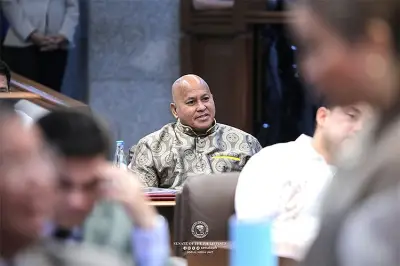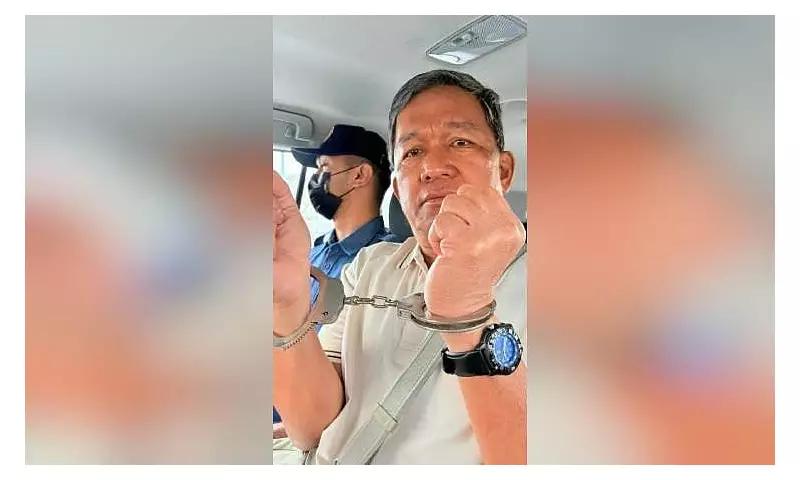
Retired Air Force General Romeo Poquiz, a key figure in the United People's Initiative (UPI), was taken into custody by authorities upon his arrival in Manila on Monday, January 5, 2026. The arrest stems from charges of rebellion and inciting to sedition.
Arrest at the Airport
Operatives from the Criminal Investigation and Detection Group (CIDG) were waiting for Poquiz at Ninoy Aquino International Airport (NAIA) Terminal 3. Immediately after he landed, they served an arrest warrant issued by the Quezon City Regional Trial Court (RTC) Branch 77. Poquiz was promptly handcuffed at the scene.
Following the arrest, he was transported to the CIDG–National Capital Region office located within Camp Crame. There, he underwent standard booking procedures before being presented before the court. Bail for his temporary liberty has been set at P48,000.

Root of the Legal Case
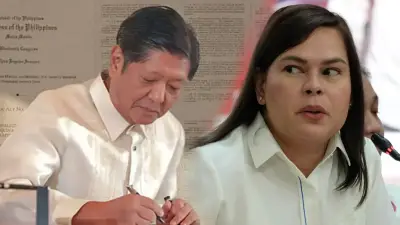
The legal case against the retired general is reportedly connected to his public statements calling for President Ferdinand "Bongbong" Marcos Jr. to step down from office. These calls were made in the context of ongoing corruption controversies, specifically those linked to allegedly anomalous flood control projects in the country.
Legal Counsel's Fiery Accusation
In a statement to the media, Poquiz's legal counsel, prominent attorney Ferdinand Topacio, launched a sharp critique against the administration. He accused the executive branch of abusing its power by using the Department of Justice as a tool to target and persecute individuals perceived as government critics.
"Instead of jailing the corrupt, he jailed those going after the corrupt," Topacio stated, framing the arrest as a political move rather than a purely legal one. This allegation adds a layer of political tension to the already high-profile case.
The arrest of a retired military officer and political convenor on such serious charges is expected to spark further debate regarding freedom of speech, sedition laws, and the state of political discourse in the Philippines.