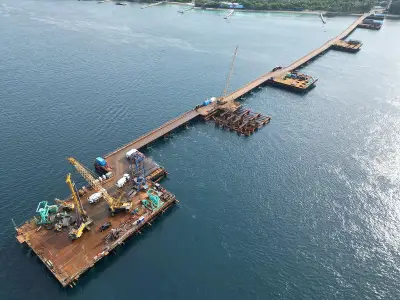
Cebu City is set to overhaul its waste management process by implementing a no-touch ground policy at the South Road Properties (SRP) transfer station. The city is currently bidding out a new P204 million hauling contract that requires the winning contractor to build a ramp system designed to prevent garbage from ever touching the ground during transfer operations.
How the New System Works
Under this proposed system, waste collected by barangay and Department of Public Services (DPS) trucks will drive up a ramp and unload directly into larger long-haul vehicles. These larger trucks will then immediately transport the waste to the designated disposal site. DPS Head Paul Gelasque explained that this setup ensures a continuous flow of waste. “Whatever garbage arrives will immediately be loaded and hauled. There will be no overnight storage,” Gelasque said.
Resolving the Garbage Accumulation at SRP
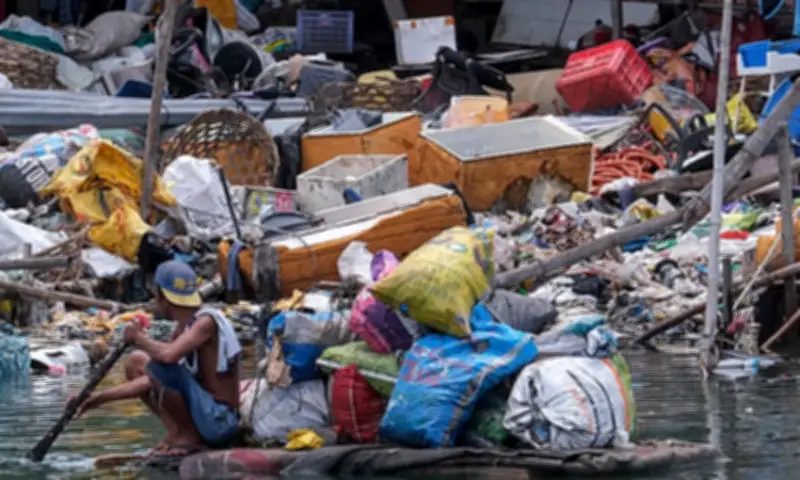
The shift in policy directly addresses mounting odor complaints and environmental concerns from businesses and residents near the SRP temporary holding area at Pond A. Previously, trash was routinely unloaded onto the ground to await transport, creating large, exposed stockpiles. The city has been actively working to clear this backlog, hauling nearly 10,000 tons of accumulated garbage from the site between June 1 and June 13, 2026.

The temporary crisis at the SRP holding area intensified on June 1, when Cebu City resumed transporting an average of 1,000 tons of waste per day to a distant disposal site in Aloguinsan. This move followed the expiration of a previous hauling contract and ongoing regulatory restrictions at the Prime Integrated Waste Solutions (PWS) landfill in Binaliw. Currently, the city spends approximately P3,904 per ton for disposal in Aloguinsan, a rate Gelasque clarified has remained steady despite rumors of an increase.
Managing the Operational and Environmental Impact
While some odor may still occur from freshly collected garbage, city officials expect public complaints to drop significantly once the waste is no longer left exposed for extended periods. To ensure the continuous movement of waste, the upcoming contract requires the winning bidder to deploy between 30 and 40 trucks daily, with additional units on standby.
Financially, the city is drawing from a P400 million supplemental budget previously approved by the Cebu City Council to fund both the ongoing emergency hauling operations and the proposed ramp system. The competitive bidding process for the new P204 million contract is scheduled for July 7, following Mayor Archival’s State of the City Address on July 6, after which the facility is expected to be implemented.
Looking Ahead
The city hopes the regulatory issues at the Binaliw landfill will be resolved. Reopening the Binaliw site would provide Cebu City with two disposal options alongside Aloguinsan, significantly cutting transportation costs due to its closer proximity. However, Gelasque emphasized that operations will only resume at the Binaliw site once all environmental requirements from the Department of Environment and Natural Resources 7 and other regulatory bodies are fully satisfied.
Meanwhile, residents living in areas near the SRP transfer station, particularly in Barangay Basak San Nicolas, said the foul odor has become a recurring concern whenever strong winds carry the smell toward nearby communities. While some described the smell as temporary, they expressed worries about its potential effects on children, senior citizens and individuals with respiratory conditions, especially during prolonged exposure. Several residents said they hope the city government can immediately implement measures that will prevent garbage from accumulating at the site and reduce the odor reaching residential areas.
In response, Barangay Basak San Nicolas Barangay Captain Norman Navarro said they are prepared to look into the concerns raised by residents despite the absence of formal complaints filed with the barangay. Navarro said community leaders will be consulted to assess the extent of the problem and identify possible interventions for households located nearest the transfer area.