Cebu Air Quality Shows Improvement as Winds Clear Persistent Haze
Residents of Metro Cebu experienced a welcome relief on Tuesday, April 21, 2026, as stronger winds began pushing away the dense haze that had enveloped the island for several days. While skies appeared noticeably clearer, health authorities immediately cautioned that the air is not yet completely safe, with pollution levels still posing significant risks to vulnerable populations.
Significant Air Quality Improvement Documented
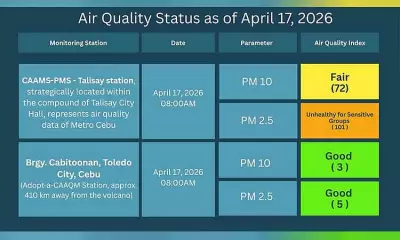
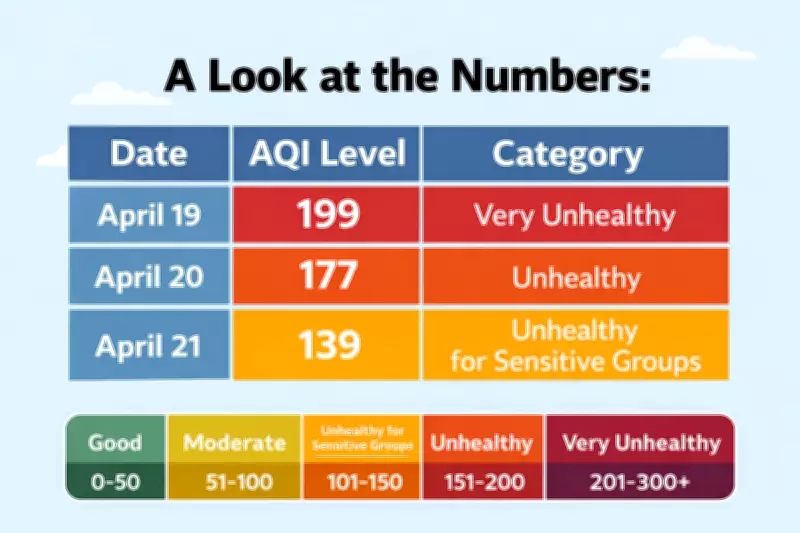
Data collected from local monitoring stations revealed that the Air Quality Index (AQI) had dropped to 139, marking a substantial improvement from the "very unhealthy" conditions recorded over the weekend. The peak pollution level reached 199 on April 19, creating hazardous breathing conditions across the region. The current AQI rating of 139 falls into the "unhealthy for sensitive groups" category, indicating that while trends are moving in the right direction, dangerous fine particulate matter known as PM2.5 remains elevated in the atmosphere.
Environmental Factors Behind Haze Dispersion
Environmental experts attribute the clearing skies to improved wind patterns that have developed across the region. Ranzel Dioko of the Environmental Management Bureau (EMB-7) explained that when air movement is stagnant, pollutants from vehicles, construction activities, and various combustion sources become trapped in localized areas. "Now that air movement has improved, these particles are being carried away," Dioko stated. However, officials warned that this improvement could be temporary, noting that if winds diminish and hot conditions return, the haze could quickly reaccumulate over urban centers.

Continued Health Concerns and Precautions
The Department of Health (DOH-7) has maintained its health advisory despite the improving conditions, emphasizing that PM2.5 particles remain a serious threat. These microscopic pollutants can penetrate deep into lung tissue and bloodstream, potentially causing:
- Persistent coughing and throat irritation
- Eye discomfort and redness
- Breathing difficulties, especially during physical activity
- Exacerbation of existing respiratory and cardiovascular conditions
Health authorities have identified several groups as particularly vulnerable:
- Children and elderly individuals
- Pregnant women
- People with pre-existing heart or lung conditions, including asthma
Protective Measures Recommended by Health Officials
Until air quality returns to "good" levels, the DOH-7 recommends that residents implement these protective measures:
- Limit Outdoor Exposure: Avoid prolonged outdoor activities, particularly strenuous exercise
- Use Proper Respiratory Protection: When going outside is necessary, wear N95 or KN95 masks for optimal filtration
- Maintain Indoor Air Quality: Keep living spaces clean and ensure adequate ventilation
- Monitor Health Symptoms: Seek immediate medical attention if breathing difficulties develop or worsen
Ongoing Monitoring and Seasonal Considerations
Local authorities continue to closely monitor air quality indicators across Metro Cebu, with particular attention to high-traffic urban areas including Cebu City and Talisay. Environmental officials note that the dry summer season typically exacerbates air pollution challenges in these metropolitan centers, as reduced rainfall and increased temperatures create ideal conditions for pollutant accumulation. The EMB-7 and DOH-7 maintain coordinated response protocols to address potential future air quality deterioration, while hospitals remain prepared for possible increases in respiratory-related patient admissions.